If you have ever imagined stepping outside and reaching some of Boulder’s most iconic trails within minutes, living near Chautauqua probably feels hard to ignore. This pocket of southwest Boulder offers a rare mix of historic character, daily access to open space, and a front-row seat to one of the city’s most visited landmarks. If you are wondering what it is really like to live here, this guide will help you understand the trails, homes, rhythms, and trade-offs that come with the location. Let’s dive in.
Why Chautauqua Stands Out
Chautauqua is not just a neighborhood marker on a map. It is a historic, city-owned landmark at the foot of the Flatirons, and it also functions as a living part of Boulder’s residential fabric. The setting blends homes, trails, cultural spaces, lodging, and gathering places in a way that feels distinct from almost anywhere else in town.
You are close to a destination that draws both locals and visitors. The campus includes the trailhead, Auditorium, Dining Hall, General Store, and lodging, which gives the area an active, all-season presence. It is also about a 15-minute drive or leisurely walk to Pearl Street Mall and the University of Colorado campus.
Trail Access Shapes Daily Life
For many buyers, the biggest draw is simple: immediate access to the outdoors. Chautauqua is a high-use trailhead with connections to the Flatirons, Gregory Canyon, and Enchanted Mesa. If hiking, walking, and spending time outside are part of your routine, that access can be a major lifestyle advantage.
That said, convenience comes with visibility and activity. The City of Boulder describes the Chautauqua Trail as heavily trafficked and crowded on nice-weather days. Living nearby means the trails are close, but it also means sharing the area with a steady stream of other people who want the same access.
What nearby trails mean for you
If you live near Chautauqua, outdoor use often becomes part of the rhythm of your day. You may find it easier to fit in a morning hike, an evening walk, or a quick stop in the open space without planning a drive across town. For many people, that kind of access is the main reason to prioritize this area.
The area is also largely pedestrian-oriented. Bicycles are not allowed on Chautauqua trails, and dogs must be leashed unless they meet the city’s voice-and-sight standard. The city also notes wildlife in the area, including black bears and mountain lions, which is worth keeping in mind as part of everyday outdoor awareness.
Parking Is a Real Lifestyle Factor
One of the most important practical questions is parking. The city says parking at the trailhead is very limited, with just 48 standard spaces in the on-site lot. Overflow can extend onto Baseline Road and nearby streets, and the city asks visitors to respect residents when parking in the neighborhood.
If you are considering a home near Chautauqua, this is not a small detail. Visitor demand, especially during peak weather and summer activity, can affect how the area feels on weekends and holidays. A beautiful location comes with the reality of being near one of Boulder’s best-known trailheads.
Summer access works differently
From Memorial Day weekend to Labor Day weekend, the city operates Park-to-Park with free satellite parking and shuttle service on summer weekends and holidays. For 2026, service runs from Saturday, May 23, through Monday, Sept. 7, with shuttles every 30 minutes from 8 a.m. to 8 p.m. Outside of summer, there is no shuttle, and parking at Chautauqua is free.
This seasonal shift matters if you value predictability. Summer can feel much busier, while fall, winter, and spring often bring a different pace. If you are deciding whether the area fits your lifestyle, it helps to think about not just the home itself, but also how the neighborhood functions across the year.
Homes Near Chautauqua Have Distinct Character
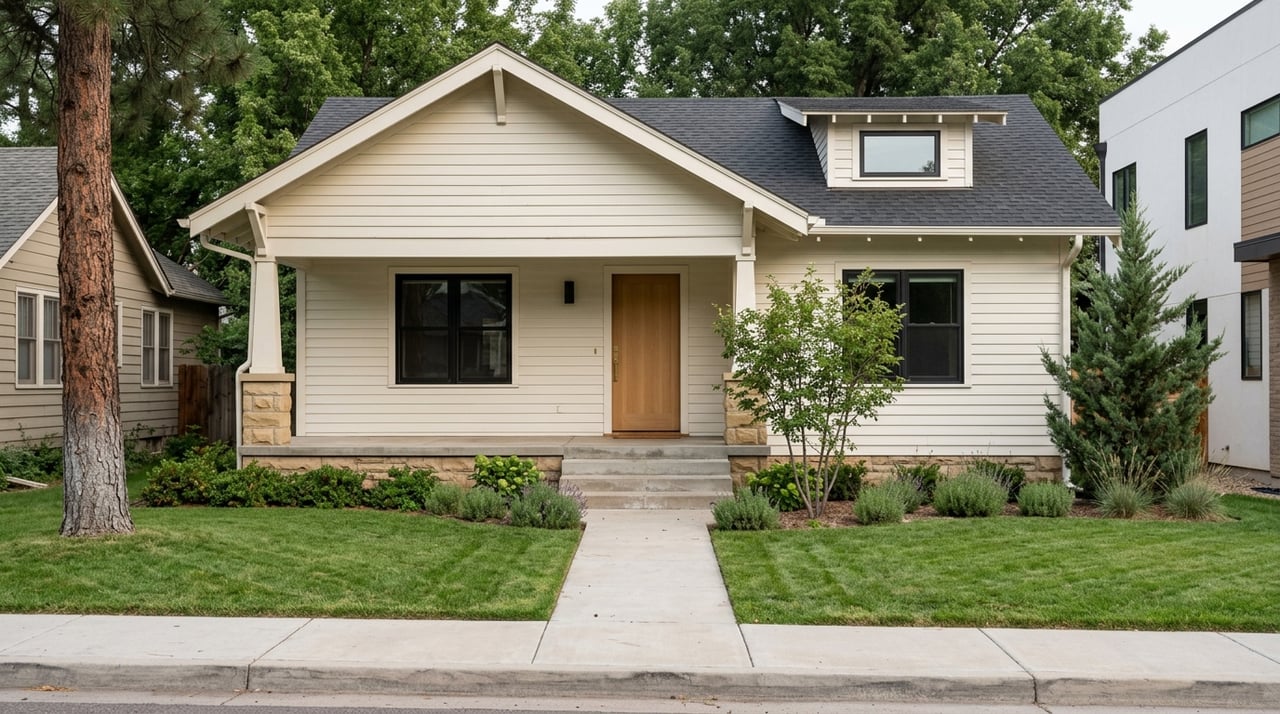
The housing story here is one of the area’s biggest differentiators. Chautauqua’s cottages began replacing tents in 1899, and the last cottage was built in 1954. Many were built in Craftsman style by John Blanchard, and over time the cottages were winterized for year-round use.
That history gives the area a sense of continuity that is hard to replicate. You are not looking at a neighborhood shaped by large waves of recent new construction. Instead, you see homes and structures that reflect a long relationship between architecture, landscape, and preservation.
Historic buildings define the setting
Official history also notes the Missions House was built in 1911 and Columbine Lodge in 1919. Today, lodging within Chautauqua includes studios, one-, two-, and three-bedroom cottages along with lodge spaces. Even if you are not purchasing within the core landmark area, these buildings shape the broader identity of living nearby.
For buyers, this often means the appeal is emotional as much as practical. The setting has a texture and visual consistency that many people love. At the same time, historic areas usually ask for more flexibility when it comes to updates and long-term planning.
Historic Preservation Affects Remodeling
If you are looking at a property that is an individual landmark or located within a historic district, exterior changes require review and approval through a Landmark Alteration Certificate. In practical terms, that can apply to additions, exterior remodels, lighting, and other visible changes. Buyers who want to personalize a property should understand this early in the process.
This does not mean change is impossible. It means change is more regulated than it would be in many non-historic areas. If you love historic character, that oversight may feel like part of what protects the neighborhood’s appeal.
Why supply feels limited
The core landmark area is tightly stewarded and historic, which naturally limits supply. Buyers who want a newer home or a more custom-built feel may be more likely to look in the surrounding residential context rather than inside the landmark core itself. That dynamic helps explain why homes near Chautauqua can attract strong interest from buyers who value location and setting first.
The district is also in the middle of a multi-year infrastructure project through 2027. According to the City of Boulder, the work includes undergrounding utility lines, improving water and stormwater systems, and repaving streets, with goals that include wildfire resilience, reliability, improved viewsheds, and preservation of historic character.
Lifestyle Here Changes by Season
One of the most important truths about living near Chautauqua is that it does not feel the same in every season. Summer brings the highest visitor activity, along with the shuttle and paid parking program. Winter is described by the lodging operation as the park’s most peaceful season.
That seasonal rhythm is part of the experience. If you live here, you are not just buying a home near open space. You are choosing a place that has distinct high-energy and low-key periods throughout the year.
Summer feels active and public
Warmer months tend to bring more visitors, more events, and more visible activity around the trailhead and campus. For some homeowners, that energy is part of the appeal. You are close to concerts, dining, outdoor access, and one of Boulder’s most recognizable settings.
For others, the same activity may feel like a trade-off. If you prefer a quieter atmosphere all year, it is worth visiting the area in peak season before making a decision. The setting is beautiful year-round, but the daily experience can vary quite a bit.
Winter feels quieter and more local
During colder months, Chautauqua often takes on a calmer feel. There is still access to the Dining Hall, cultural programming continues in smaller formats, and the scenery remains a major draw. But the pace is generally more peaceful than during peak summer use.
That contrast is important for buyers who want both access and breathing room. Depending on the season, the area can feel like a well-known destination or a quieter residential edge of Boulder with remarkable surroundings.
Culture and Convenience Add to the Appeal
Chautauqua is much more than a trailhead. The Colorado Chautauqua Association provides lodging, concerts, cultural events, educational programs, recreation, historic preservation, and dining. That broad mix gives the area a community-facing quality that goes beyond outdoor recreation.
The campus includes a year-round Dining Hall and a General Store, which adds convenience for casual meals, meeting up with guests, or staying close to home. If you enjoy being near places where people gather, the setting offers that without feeling like a standard commercial district.
Events create a unique neighborhood backdrop
The Auditorium hosts the Summer Concert Series and the Colorado Music Festival. In colder months, the Community House hosts concerts, films, and lectures in a more intimate setting. For nearby residents, this means the area offers cultural activity as well as natural beauty.
That combination is part of what makes living near Chautauqua feel so specific to Boulder. You are close to open space, but you are also near a place with programming, history, and a strong civic identity.
Who Should Consider Living Near Chautauqua
This area can be a great fit if you value trail access, historic surroundings, and a strong sense of place. It may also appeal to buyers who want a Boulder location that feels visually iconic and deeply tied to the landscape. If your ideal home life includes walking access to open space and a one-of-a-kind backdrop, Chautauqua is worth a serious look.
It may be less ideal if you want easy parking, low visitor traffic, or complete freedom with exterior remodeling. Those are not deal-breakers for every buyer, but they are important realities. The right fit depends on how you weigh convenience, character, and access.
What Buyers Should Keep in Mind
Before you buy near Chautauqua, it helps to focus on a few practical questions:
- How important is direct trail access to your daily routine?
- Are you comfortable with seasonal visitor traffic and limited parking nearby?
- If the home is historic, are you open to a more structured approval process for exterior changes?
- Do you prefer the character of the landmark area, or would a nearby residential block better match your needs?
- Have you visited in both busy and quiet seasons to compare the feel?
When you evaluate Chautauqua through both a lifestyle and property lens, you can make a more confident decision. The location is special, but the best outcomes come from understanding both its beauty and its practical details.
If you are exploring homes near Chautauqua or trying to compare the landmark core with nearby residential options, working with a local team can help you weigh character, access, and long-term fit. Kristin Kalush can help you navigate Boulder’s micro-markets with clear guidance and a thoughtful, neighborhood-first approach.
FAQs
What is it like living near Chautauqua in Boulder?
- Living near Chautauqua means being close to major trail access, historic buildings, cultural programming, and Flatirons views, while also experiencing higher visitor activity than many other Boulder areas.
Is parking difficult near Chautauqua?
- Yes. The City of Boulder says parking is very limited at the trailhead, and nearby streets can feel the impact during busy periods.
Can you remodel a historic home near Chautauqua freely?
- Not always. Exterior changes to an individual landmark or a property within a historic district require review and approval through a Landmark Alteration Certificate.
Is Chautauqua quiet year-round?
- No. Winter is generally the most peaceful season, while summer weekends and holidays tend to be much busier.
What makes homes near Chautauqua unique?
- The area is known for historic cottages, long-established architectural character, a tightly stewarded setting, and proximity to one of Boulder’s best-known open-space access points.
Does Chautauqua offer more than trails?
- Yes. The area also includes lodging, dining, a General Store, concerts, educational programs, and other cultural events throughout the year.