If you own a home in Mapleton Hill, you already know the appeal goes far beyond square footage. This historic Boulder district is defined by its architecture, streetscape, and landscape setting, which means any update carries extra weight. The good news is that you do not have to choose between modern function and historic character. With the right plan, you can improve comfort, usability, and long-term value while respecting what makes the home special. Let’s dive in.
Why Mapleton Hill feels different
Mapleton Hill is one of Boulder’s 10 local historic districts. It was designated in 1982 and expanded in 2002, and city materials describe it as Boulder’s third and largest historic district with about 500 homes.
A large share of the district’s housing stock is early. Nearly 57% of homes were built before 1910, and the district’s period of significance runs from 1865 to 1946. That history shows up not just in individual houses, but in the way buildings, yards, trees, and streets work together.
In practical terms, that means the district’s character is about more than trim details. Boulder’s guidance places strong emphasis on overall building form, rooflines, massing, and the relationship between the house and site.
Start with the house’s form
Before you choose finishes or draw plans, look at the basic shape of the home. In Mapleton Hill, that original form often matters as much as the decorative details.
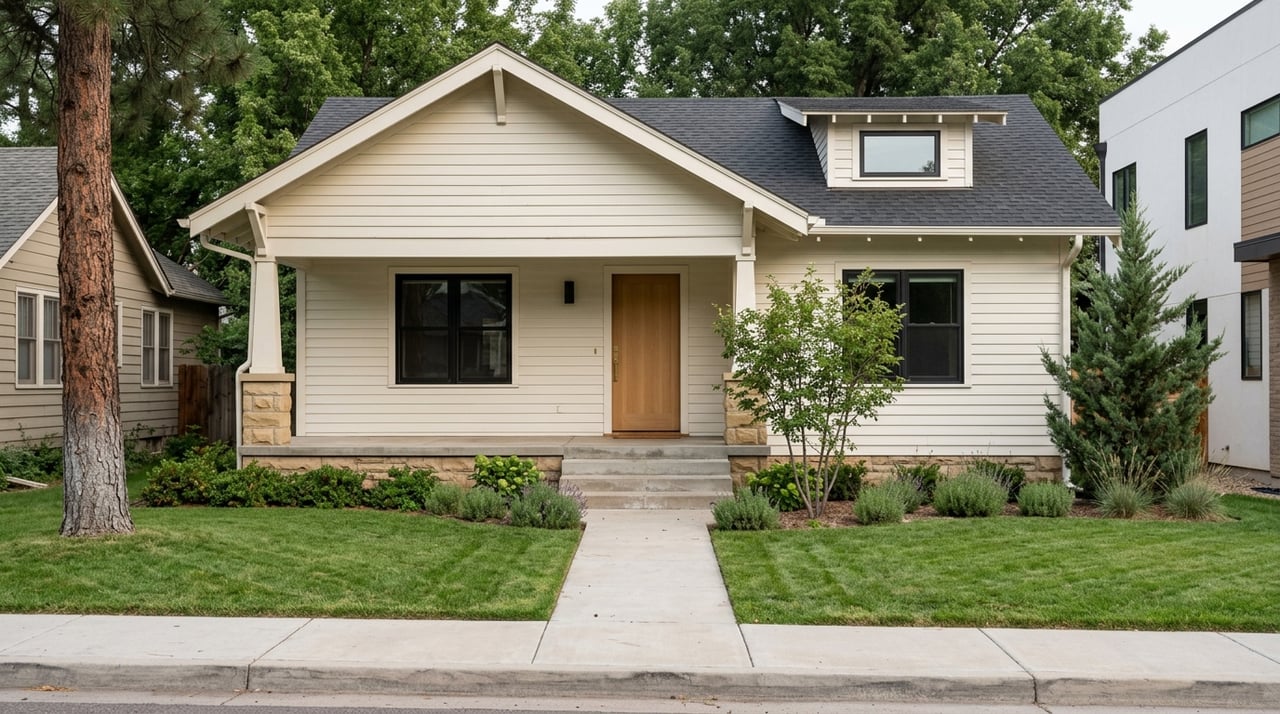
City guidance describes Italianate houses as square and vertical, Bungalows as low and rectangular, and Queen Anne houses as asymmetrical with projections and detail. Steeply pitched hipped or gable roofs are also common across the district.
This is important because a successful update usually works with those defining traits instead of fighting them. You do not need to copy every historic detail, but you should respect the home’s original form and visual rhythm.
What updates usually need review
In Boulder, a Landmark Alteration Certificate, or LAC, is required for all exterior changes to a property in a historic district. That applies whether the home is older or newer if it sits within the district and the work changes the exterior.
Projects that commonly trigger LAC review include:
- Reroofing
- Repainting
- Mechanical equipment
- Fences
- Additions
- Solar panels
- Windows and doors
- Porch enclosures
- Some paving and hardscaping work
- Mature tree removal in some cases
Landscaping by itself is exempt. Still, many owners are surprised by how broad the review requirement can be, so it helps to confirm early before ordering materials or scheduling a contractor.
Plan for the Boulder review process
One of the smartest ways to reduce stress is to build review time into your renovation schedule from day one. Exterior changes in Mapleton Hill are not just a design decision. They are also a process decision.
For LAC planning, Boulder asks for cut sheets, exterior photos, and a vicinity map. If your project includes an addition or new free-standing work, you will also need renderings, elevations, a site plan, and a written statement explaining how the proposal meets the code and district-specific guidelines.
The city’s completeness check usually happens within 5 to 7 days, and initial review typically occurs within about 3 weeks. There is no fee for LAC review, and approvals are valid for one year.
Focus on repair before replacement
When you update a historic home, the best first question is often not “What should we replace?” but “What can we keep?” Both Boulder and the National Park Service emphasize retaining historic character and repairing distinctive features when feasible.
That approach can preserve the look of the home while also keeping renovation choices more grounded. If replacement is necessary, the new work should match the old in design and other visual qualities, while still being compatible with the historic building.
For many Mapleton Hill homes, this mindset leads to better outcomes. It keeps the house from drifting into a style that feels disconnected from the district.
Treat windows like a priority
Windows deserve special attention in Mapleton Hill. Boulder identifies windows and the elements around them as some of the most important character-defining features of a historic building.
The city prefers rehabilitation over replacement when possible, especially because original windows contribute so much to the appearance of the facade. Boulder also notes that good historic window rehabilitation can achieve energy performance comparable to new Energy Star windows.
That can be a meaningful insight if you are trying to balance efficiency with preservation. On highly visible elevations in particular, repair-first thinking often supports both the home’s character and its resale appeal.
Design additions with restraint
Many buyers love Mapleton Hill for its period homes, but modern living often calls for more usable kitchens, mudrooms, family spaces, or private work areas. The challenge is adding function without overwhelming the original structure.
Guidance for historic properties generally supports additions that preserve the original building’s form and massing. In most cases, that means placing additions at the rear or on less visible sides of the home.
New work should also be differentiated from the historic structure rather than copied outright. In other words, the addition should feel compatible, but not pretend to be original.
Do not overlook the site
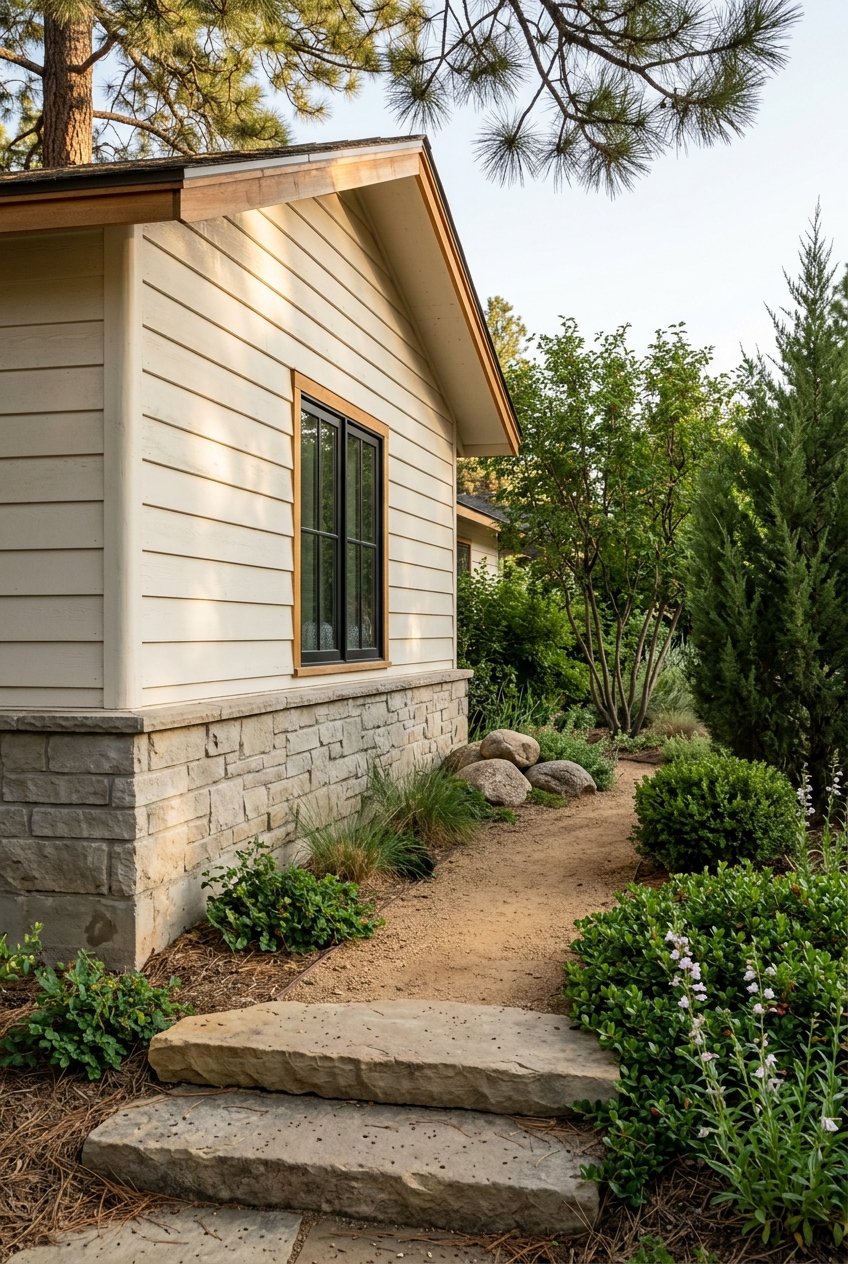
In Mapleton Hill, the yard and setting matter too. District guidance notes that landscape features such as street trees, planting strips, and sodded front yards can contribute to historic character.
Strong retaining walls should also be preserved and incorporated when possible. That may affect how you think about entry paths, grading, terraces, and outdoor living improvements.
This is one reason site planning should happen alongside architectural planning. A well-designed update considers how the home sits on the lot, not just what happens inside the walls.
Modernize the interior thoughtfully
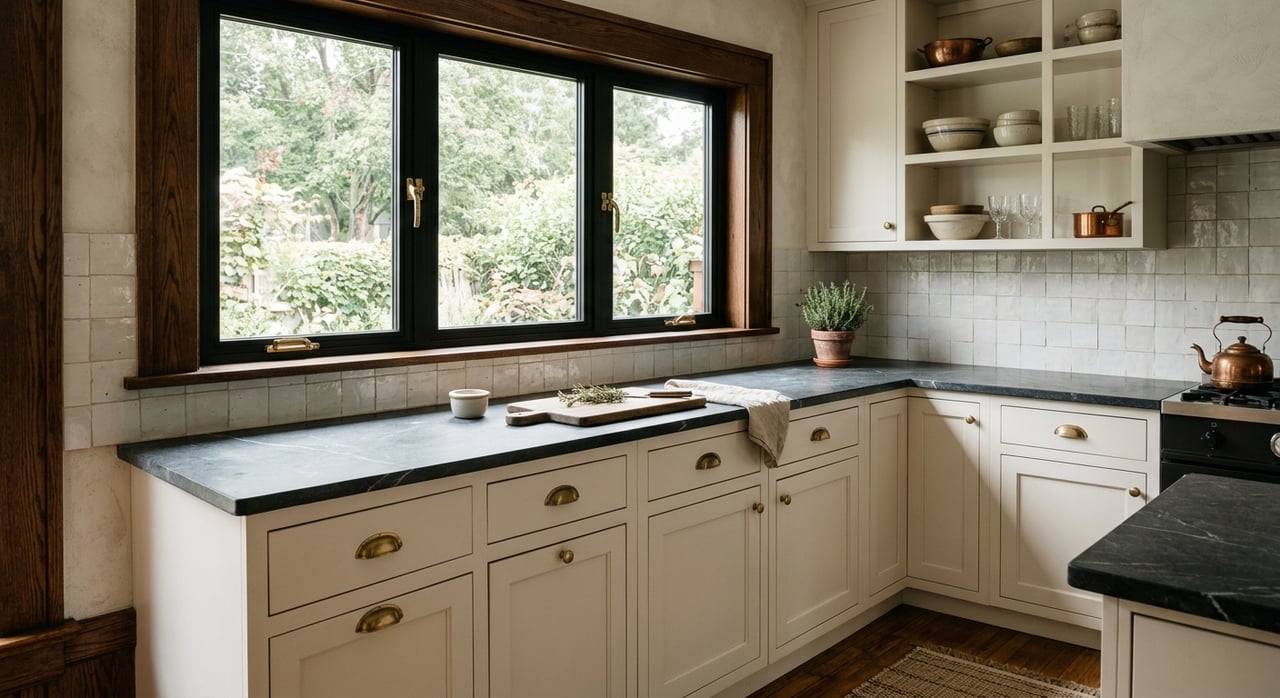
While Boulder’s formal review focuses on exterior changes in the district, the same preservation logic can help guide interior decisions. The most thoughtful remodels tend to retain important historic spaces and place the biggest changes in secondary areas.
That might mean preserving a formal stair hall, original living room proportions, or historic millwork while reworking a back-of-house layout for daily function. The goal is not to freeze the house in time. It is to protect what gives it identity while making life easier today.
For future buyers, that balance can be especially compelling. Many people want a historic Mapleton Hill home because of its authenticity, but they also want comfort and practicality.
Build the right renovation team
A great concept can still go sideways if the team is not familiar with historic houses. For a Mapleton Hill project, early coordination with a preservation-aware architect and contractor matters.
Boulder does not recommend specific contractors or architects, so the responsibility falls on you to vet experience. Ask whether they have worked on homes in Boulder historic districts, whether they understand the LAC process, and how they approach repair versus replacement.
That front-end diligence can save time, cost, and frustration. It can also help you avoid design choices that look good on paper but struggle in review.
Consider possible tax credit benefits
Depending on the property and scope of work, there may be financial upside to a well-planned rehabilitation. Boulder, as a Certified Local Government, reviews the residential state historic preservation tax credit.
According to the city, the residential credit equals 20% of qualified rehabilitation costs, up to $100,000, spread over 10 years. Eligible properties include those designated as an individual landmark or as a contributing resource in a local, state, or national historic district.
If you are weighing a substantial project, this is worth exploring early. Eligibility and project planning often work best when they are considered before construction begins.
Think about updates through resale
Even if you plan to stay for years, it helps to think like a future buyer. In Mapleton Hill, the most appealing renovations are often the ones that improve daily living without visually overpowering the house or the district.
Because the area’s significance is tied to architecture, streetscape, and landscape setting, buyers are likely to respond well to updates that preserve those visible cues. Better systems, improved flow, and more functional spaces can add comfort, but curb presence and historic integrity still carry real weight.
That is part of what makes Mapleton Hill unique. The strongest long-term value usually comes from thoughtful modernization, not the most dramatic transformation.
If you are considering buying, selling, or renovating in Mapleton Hill, a neighborhood-specific strategy matters. The right guidance can help you weigh preservation, market appeal, and project scope with more confidence. When you are ready to talk through your options, connect with Kristin Kalush.
FAQs
What makes Mapleton Hill a historic district in Boulder?
- Mapleton Hill is one of Boulder’s local historic districts, recognized for its architecture, streetscape, and landscape setting, with many homes dating from 1865 to 1946.
What exterior projects in Mapleton Hill need a Landmark Alteration Certificate?
- In Boulder historic districts, exterior changes such as reroofing, repainting, windows, doors, additions, fences, solar panels, mechanical equipment, and some hardscaping or tree removal typically require LAC review.
What does Boulder look for in a Mapleton Hill home update?
- Boulder’s guidance emphasizes preserving the original building form, massing, rooflines, and other character-defining features rather than simply copying decorative details.
What is Boulder’s approach to historic windows in Mapleton Hill?
- Boulder generally prefers rehabilitation over replacement when possible because windows are key character-defining features, and well-rehabilitated historic windows can perform comparably to new Energy Star windows.
Where should an addition go on a Mapleton Hill historic home?
- Additions are generally best placed at the rear or on less visible sides so the original form and massing of the historic house remain the dominant visual feature.
Are landscape features part of Mapleton Hill’s historic character?
- Yes. Features such as street trees, planting strips, sodded front yards, and retaining walls can contribute to district character and should be considered in project planning.
Is there a tax credit for rehabilitating a historic home in Boulder?
- Boulder says eligible properties may qualify for a residential state historic preservation tax credit equal to 20% of qualified rehabilitation costs, up to $100,000, spread over 10 years.
Why do thoughtful updates matter for Mapleton Hill resale value?
- Buyers are often drawn to projects that improve comfort and function while preserving the visible architectural and site features that define the district’s character.