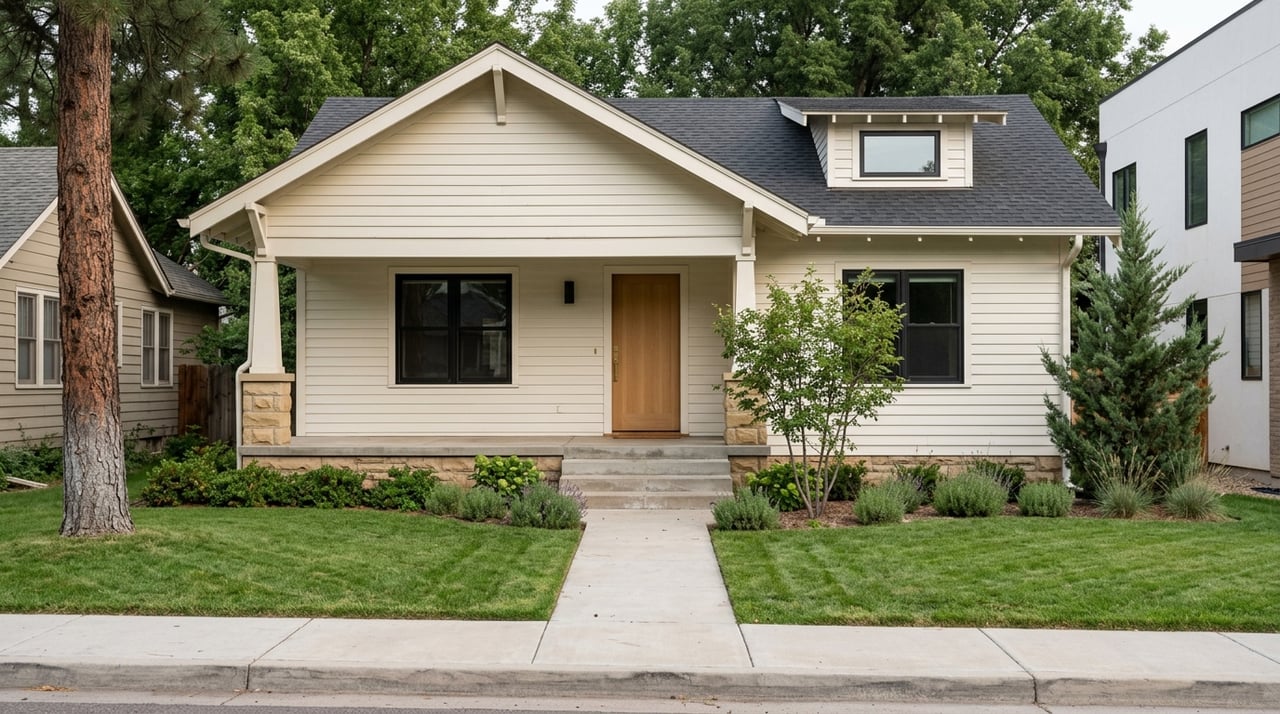
If you are drawn to Newlands, you are probably not looking for a one-note neighborhood. This part of Boulder offers a rare mix of early cottages, classic interwar homes, and later updates, all within a few blocks of parks, trails, and downtown. If you want to understand where bungalow charm ends and modern living begins, this guide will help you read the neighborhood more clearly. Let’s dive in.
Why Newlands Feels So Layered
Newlands traces back to William Newland’s 1871 purchase of farmland in North Boulder. City survey material says the Newland Addition was platted in 1891 from Alpine to Grape between 2nd Street and Broadway, with a pattern shaped by a rural atmosphere, garden-sized lots, and access to downtown jobs.
That early setup still helps explain the neighborhood today. One street can feel deeply historic, while the next may show larger additions, major renovations, or newer replacement homes. In Newlands, lot size, block position, and access to amenities often shape the feel of a property just as much as the year it was built.
Three Newlands Micro-Areas
Trail-Adjacent Northwest Edge
If you want the most practical access to open space, the northwest side of Newlands stands out. The nearby north Boulder trail network includes Wonderland Lake Trailhead and Foothills Trailhead, both of which connect you to well-used local trails and outdoor recreation.
Wonderland Lake Loop is a 1.10-mile easy to medium trail, and Foothills North is a gentle multi-use trail. For many buyers, that makes this pocket the strongest match if you picture frequent walks, trail access, and a quicker path to open space from home.
Homes in this area may also come with added planning considerations. For west-side or trail-adjacent parcels, Boulder notes that wildfire and site conditions can affect future building plans, especially with the city’s 2024 Wildland Urban Interface Code applying to building permits in WUI areas as of August 1, 2025.
Best fit for this pocket
- Buyers who want easy trail access
- Owners thinking long term about outdoor lifestyle
- Renovators who are comfortable reviewing site-specific building conditions
Around North Boulder Park
If your ideal day-to-day life is centered on a major neighborhood park, the blocks around North Boulder Park are worth close attention. The park includes amenities such as a playground, restroom, shelter, grill, diamond field, basketball court, bike park, multi-use field, open turf, and RTD access.
The city is also actively reworking the park plan while preserving its open and flexible character, along with mature trees and tree canopy. That helps explain why this part of Newlands often feels especially centered on daily recreation and shared outdoor use.
For buyers comparing blocks within Newlands, the park-centered area can feel more communal simply because the park plays such a strong role in everyday routines. If you want nearby open lawn, play space, or flexible outdoor amenities, this is the micro-area to study first.
Best fit for this pocket
- Buyers who want park access woven into daily life
- Households looking for nearby recreation amenities
- Owners who value a central neighborhood gathering space
South Edge Near Downtown
Because Newlands sits north of downtown Boulder, the southern part of the neighborhood is the closest to the downtown core. That location gives these blocks the most urban-influenced feel within Newlands.
If your priority is quicker access to downtown and Pearl Street, the south edge is the logical place to start your search. You still get the neighborhood’s established residential character, but with a location that can make in-town errands, dining, and downtown access feel more immediate.
For some buyers, this section offers the best balance between classic Newlands identity and convenience. If your lifestyle leans toward being out and about, this pocket may feel like the smoothest fit.
Best fit for this pocket
- Buyers who prioritize proximity to downtown
- People who want a more urban-adjacent feel
- Owners who value quick access over trail-first location
From Bungalows to Modern Homes
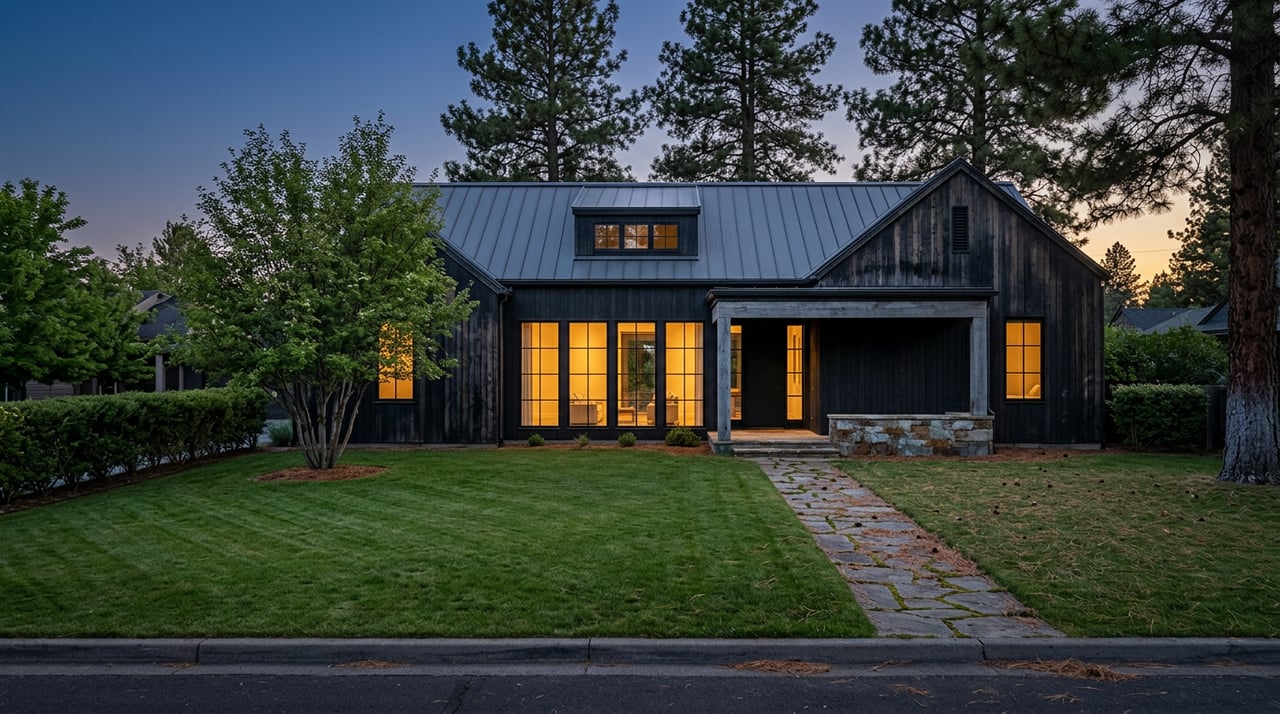
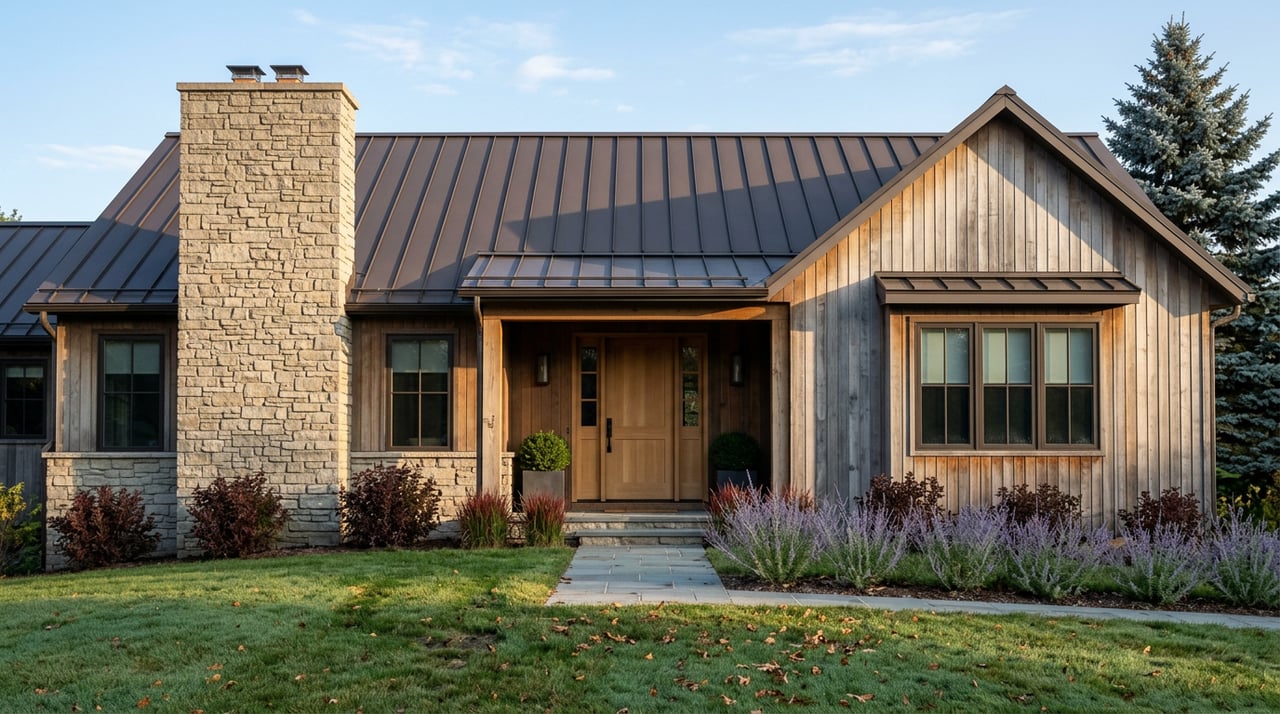
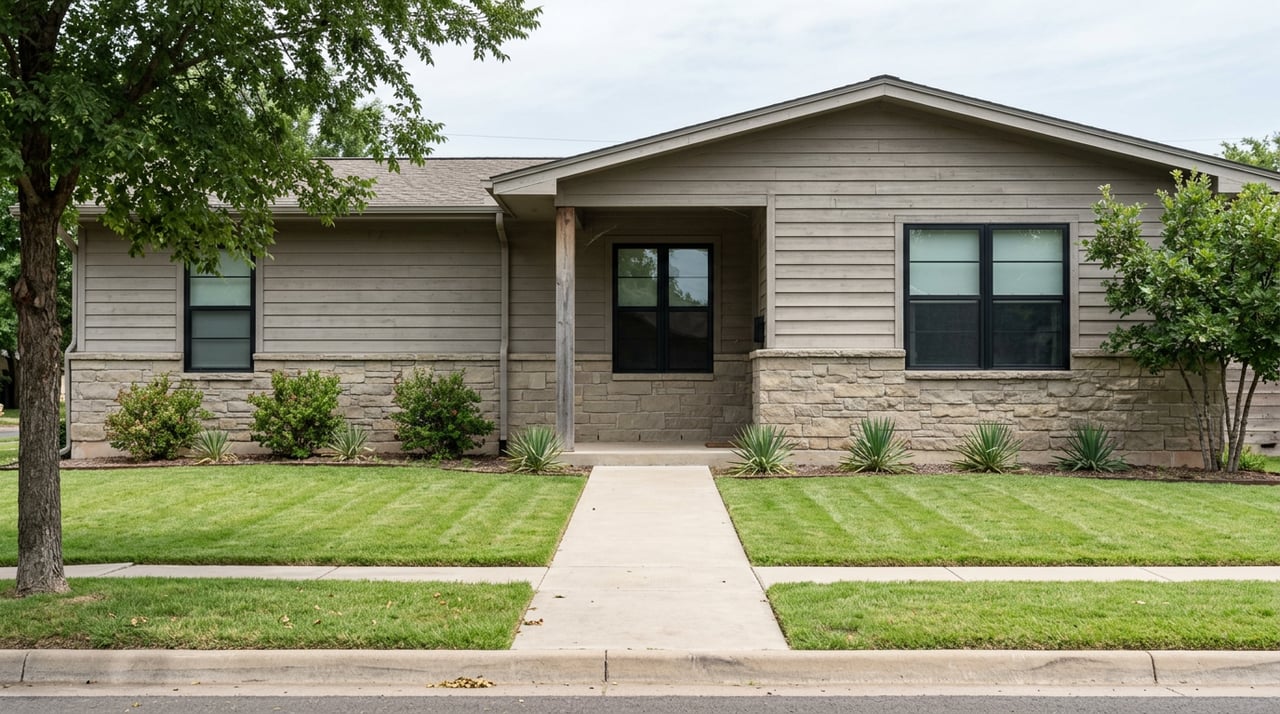
One of the most interesting things about Newlands is that it is not a single-style neighborhood. City survey material shows that North Boulder developed around a rural feel with garden-sized lots, while English or Norman Cottage homes were widely built during the interwar years.
That means you may see modest early homes on one block and more architecturally expressive interwar houses on another. Newlands feels layered because it is layered. The neighborhood was never only one architectural story.
Two city-documented examples help show the range. At 2725 5th Street, a home built around 1910 was described by the city as a well-preserved example of vernacular frame construction and one of the earliest houses on 5th Street along the streetcar line. That parcel is 7,280 square feet and zoned RL-1.
At 3201 8th Street, a 1928 home sits on a 9,173-square-foot lot and reflects English-Norman Cottage design, including steep rooflines and an arched entry. These examples show how different Newlands homes can feel, even when they share a similar broader neighborhood setting.
Why Lot Size Matters
In Newlands, lot size often shapes what is possible more than buyers first expect. Smaller early homes may read as cottage-like or bungalow-adjacent, while larger or better-situated parcels can be more likely to support substantial additions, major renovations, or replacement homes.
That is part of why the “modern home” side of Newlands usually reads as a later layer of infill or rebuilding, not as the neighborhood’s original dominant pattern. In practical terms, if you are hoping for a major remodel, an ADU, or a more ambitious redesign, the lot itself deserves as much attention as the house.
Boulder’s zoning rules reinforce this. Coverage standards for RL-1 and RL-2 vary by lot-size band, and the city recommends accurate survey information when a project may approach coverage limits.
Renovation Questions to Ask Early
If you are shopping Newlands with renovation in mind, it helps to narrow your questions quickly. The right house is not always the one with the newest finishes. Sometimes it is the property with the most workable lot, clearest review path, and fewest physical constraints.
Start with these practical questions:
- Is the home landmarked or inside a historic district?
- Is the building more than 50 years old and potentially subject to demolition review?
- Does the lot size support your goals for additions or coverage?
- Is the parcel in an area where wildfire review could affect future permits?
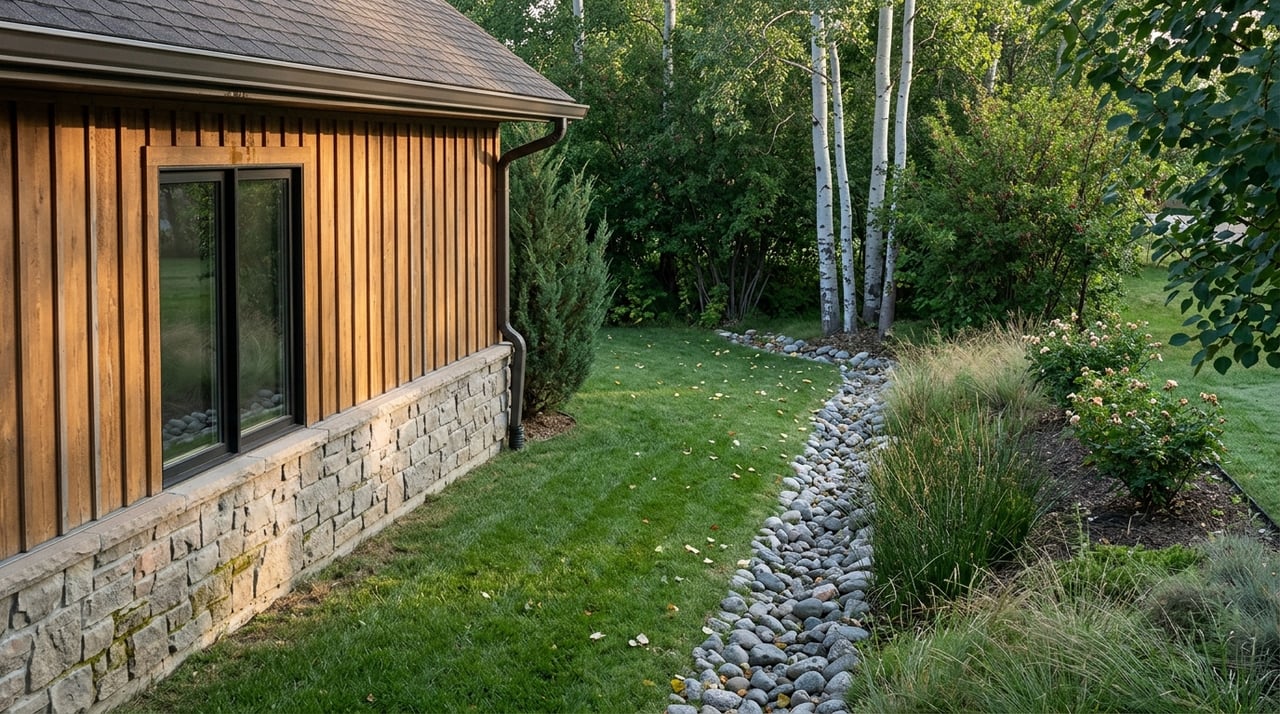
- Are there slope, grading, drainage, or soils issues to evaluate?
If a Newlands property is landmarked or located in a historic district, Boulder requires a Landmark Alteration Certificate for exterior changes. Even for non-designated buildings over 50 years old, demolition review can apply, and replacement new construction may also require review in historic contexts.
The city’s historic catalog can be especially useful during early due diligence. Survey forms may list construction date, architectural style, and photos, which can help you better understand what you are buying before you make renovation plans.
ADUs and Additions in Newlands
ADUs are now allowed in RL-1 and RL-2 in Boulder, and the city updated ADU regulations in February 2025. As of September 1, 2023, ADUs are reviewed through the normal building permit process rather than prior administrative review.
That said, allowed does not always mean easy. Lot size, coverage limits, building placement, and any historic review issues can still shape what is practical on a given property.
If you are comparing two homes with similar square footage, the more flexible parcel may be the better long-term buy. In Newlands, that kind of block-by-block and lot-by-lot analysis can make a real difference.
Site Conditions on West-Side Parcels
On west-side or trail-adjacent parcels, site conditions deserve extra attention. Boulder says soils reports and, in some cases, grading and drainage plans may be required for new structures or substantial changes on steep or mass-movement-prone properties.
This does not mean you should avoid these locations. It means you should evaluate them with open eyes if you are planning significant work. Some of the most appealing settings can also require more technical review.
How to Read Newlands Like a Local
If you are trying to choose the right part of Newlands, think about how you actually want to live there. The neighborhood makes more sense when you compare it through the lens of daily routine, not just architecture.
Here is a simple way to frame it:
| Micro-area | What stands out | Best for |
|---|---|---|
| Trail-adjacent northwest edge | Closest practical access to trailheads and open space | Buyers focused on outdoor access |
| Around North Boulder Park | Major park amenities and flexible recreation space | Buyers who want park-centered daily life |
| South edge near downtown | Closest location to downtown Boulder | Buyers who prioritize in-town convenience |
Within each pocket, the home itself can still vary widely. You may find an early vernacular house, an English-Norman Cottage, a substantially renovated property, or a newer replacement home, sometimes within a short walk of one another.
Why This Matters for Buyers and Sellers
For buyers, Newlands rewards a more detailed search. A home’s block, lot size, zoning context, and review path can matter just as much as style or finish level. Understanding those layers can help you buy with more confidence.
For sellers, this same complexity is an opportunity. A well-positioned Newlands property often benefits from thoughtful marketing that explains not just the home, but also the specific micro-area, lot advantages, and long-term potential.
That is where local neighborhood knowledge becomes especially valuable. In a place like Newlands, the right story is usually more precise than “historic charm” or “modern update.” It is about showing why this block, this parcel, and this house stand apart.
If you are weighing where to buy, how to position a sale, or whether a property has renovation upside, a neighborhood-specific strategy can save time and sharpen your decisions. For tailored guidance on Newlands and the wider Boulder market, start with a free market consultation with Kristin Kalush.
FAQs
Which part of Newlands Boulder is closest to trails?
- The northwest edge of Newlands is the closest practical fit for trail access, with nearby connections to Wonderland Lake Trailhead and Foothills Trailhead.
Which Newlands blocks feel most centered on park access?
- The area around North Boulder Park is the most park-centered pocket, with amenities including open turf, a playground, bike park, courts, fields, and RTD access.
Which part of Newlands Boulder is closest to downtown?
- The southern edge of Newlands is closest to downtown Boulder because Newlands sits just north of the downtown core.
Are ADUs allowed in Newlands Boulder?
- ADUs are allowed in Boulder’s RL-1 and RL-2 zones, but what works on a specific Newlands property still depends on lot size, coverage limits, and any applicable review requirements.
What historic review issues can affect a Newlands home?
- If a property is landmarked or in a historic district, exterior changes may require a Landmark Alteration Certificate, and demolition review can apply to non-designated buildings over 50 years old.
What site issues matter on west-side Newlands lots?
- West-side or trail-adjacent parcels may involve wildfire-related permit requirements, plus possible soils, grading, and drainage review for substantial projects.