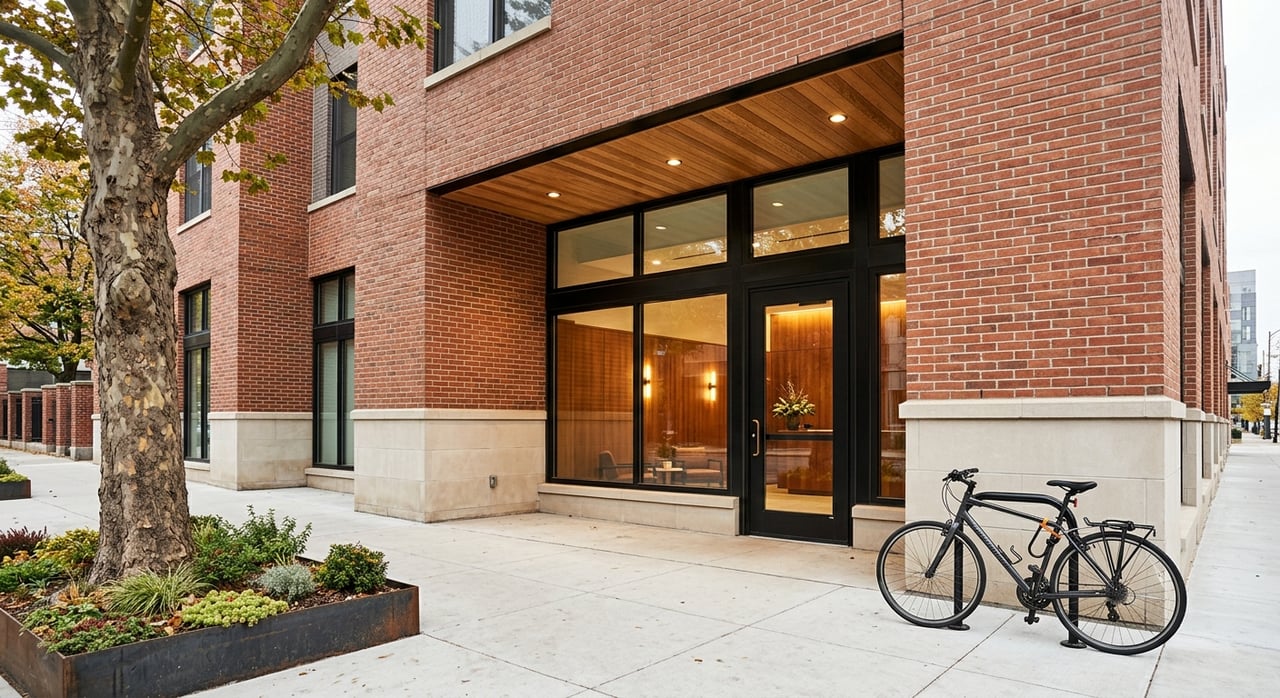
Craving a Boulder lifestyle where your car is helpful but not essential? In downtown Boulder, that idea is not just aspirational. It is built into the way the district works every day. If you are weighing a move, a purchase, or a sale in the core, this guide will help you understand how homes, mobility, and daily routines come together for car-light living. Let’s dive in.
Why Downtown Boulder Supports Car-Light Living
Downtown Boulder is organized around people more than cars. Pearl Street Mall, the four-block pedestrian mall running from 11th Street to 15th Street, has been car-free since August 6, 1977. The city also identifies walking as its highest-priority travel mode and recognizes Boulder as a Gold-level Walk Friendly Community.
That pedestrian-first design shapes the feel of daily life. Instead of planning your routine around parking and traffic, you can often plan it around a short walk, a bike ride, or a bus connection. For many buyers, that is the real appeal of living downtown.
The district is also larger than the mall itself. Downtown includes mixed-use, pedestrian-oriented blocks beyond Pearl Street, including the East End and West End. If you still want access to a car for weekend trips, errands farther out, or mountain drives, the area also has five city parking garages, three lots, and on-street pay parking.
Getting Around Day to Day
Walking Is the Default
For many downtown residents, walking handles most short trips. The city’s pedestrian planning focuses on safe, comfortable, and connected walking, which supports everything from grabbing coffee to meeting friends to connecting with transit.
Pearl Street Mall also functions like more than a shopping street. It works like an urban park, with seating, art, play features, and constant street activity. That means an ordinary errand can feel a little more social and a little less transactional.
Biking Expands Your Range
Biking is a major part of the downtown routine. Boulder has more than 300 miles of bikeway, including 96 miles of bike lanes, 84 miles of multi-use paths, and 50 miles of designated bike routes. For a resident downtown, that opens up easy access to more of the city without needing to drive.
There are a few practical rules to know. Riders must dismount in Pearl Street Mall area dismount zones, and biking on sidewalks around Pearl is prohibited except for accessibility purposes. Downtown also offers free secure bike parking in three garages, which makes bike storage and quick trips easier.
Transit Makes Car-Light Realistic
A true car-light lifestyle needs a reliable backup to walking and biking, and downtown has one. RTD’s Downtown Boulder Station near 14th Street and Walnut Street serves 16 routes and operates without RTD parking, reflecting its role as a walk-up and connection-based transit hub.
Regional access is a big plus here. The Flatiron Flyer links Boulder and downtown Denver, and the FF1 runs every 15 minutes from 5 a.m. to 6 p.m. Local service options listed by the city also include routes 204, 205, 208, and 225, while the HOP has been part of Boulder’s transit picture since 1994.
Shared Mobility Fills the Gaps
Shared BCycle e-bikes and Lime e-scooters can help with first- and last-mile trips. They can be useful when you want a little more range than walking but do not want the commitment of taking your own bike.
There are some downtown operating rules to keep in mind. Pearl Street Mall is a no-go zone for e-scooters, and busy downtown areas require corrals. Even with those restrictions, shared mobility adds flexibility to the daily mix.
How Downtown Blocks Feel
Not every downtown block lives the same way, and that matters when you are choosing a home. The blocks closest to Pearl Street Mall tend to feel the most urban, animated, and visitor-heavy. If you like energy, easy access, and a front-row seat to downtown activity, those blocks may be the best fit.
The interface blocks that connect downtown to nearby neighborhoods often feel more stable, quiet, secure, and orderly. That can appeal to buyers who want a walkable routine but prefer a slightly calmer home setting. In practical terms, these edge areas can offer a balance between downtown access and a more tucked-in feel.
The historic district helps explain some of these shifts. It is bounded roughly by Walnut Street, Spruce Street, 16th Street, and 10th Street, while broader downtown extends farther south and east. As you move through the district, the experience can transition from retail promenade to neighborhood edge in just a few blocks.
Homes That Match a Car-Light Lifestyle
Downtown Boulder offers a mix of housing types, which is part of what makes the area so flexible. You will find historic commercial buildings, landmark homes, and newer mixed-use condos. That variety gives buyers several ways to live downtown depending on how much space, privacy, and convenience they want.
For many buyers focused on car-light living, condos, lofts, and mixed-use units are the most natural fit. City listing examples describe homes with features such as underground parking, secured buildings, elevators, balconies, and assigned parking, along with close access to Pearl Street Mall, the Farmers Market, restaurants, coffee shops, and the Boulder Creek bike path.
Historic houses just off the core can also work well if you want more room while keeping a walkable everyday rhythm. Boulder’s comprehensive planning notes that older downtown neighborhoods can contain a variety of housing types and densities within a single block. That means your ideal fit may be less about the label of the home and more about exactly where it sits.
What Buyers Should Watch For
Proximity to Pearl and Transit
If car-light living is the goal, location matters more than almost anything else. Homes within a few blocks of Pearl Street Mall or Downtown Boulder Station often provide the easiest day-to-day routine. You are more likely to walk by default when key destinations and transit options are close and easy.
Parking and Storage
Even in a car-light setup, parking still matters. A condo with underground or assigned parking can make occasional driving much easier, especially for visitors, gear, or weekend travel. Bike storage is also worth asking about if you expect cycling to be part of your routine.
Building Access and Convenience
Secure entry, elevators, and mixed-use design can play a big role in everyday livability. These features can simplify errands, make coming and going easier, and support a lock-and-leave lifestyle. For some buyers, that convenience is a major reason to choose downtown over a more car-dependent area.
Historic Property Considerations
If you are drawn to a designated historic property, be sure you understand the review process. The Downtown Boulder Historic District was listed on the National Register in 1978, and the city says exterior changes to designated properties require Landmark Alteration Certificate review.
That does not make historic ownership a drawback. It just means the property comes with a layer of stewardship and process that you should understand before you buy. For the right buyer, that character and location can be well worth it.
What Sellers Can Highlight
If you are selling a downtown Boulder home, the car-light story is part of the value. Buyers are often looking for more than square footage. They are looking for convenience, routine, and a connected lifestyle.
That means your marketing should clearly show how the home functions in everyday life. Details like secure parking, elevator access, walkability to Pearl Street, proximity to Downtown Boulder Station, or quick bike access can help buyers understand the practical benefits of the location.
For historic or design-forward homes, presentation matters too. Buyers often respond strongly to the combination of architecture, block character, and lifestyle access. In a downtown setting, strong positioning is about showing not just the home, but how the home lives.
Why This Lifestyle Appeals to So Many Buyers
Car-light living in downtown Boulder can serve a wide range of goals. Some buyers want a simpler routine with fewer daily car trips. Others want the freedom to walk to dinner, bike across town, or catch transit to Denver without making driving the center of their week.
It can also be a smart fit for relocators and professionals who want immediate access to the heart of Boulder. When daily needs, public space, and mobility options come together in one area, the result is a lifestyle that feels efficient, active, and connected.
The city is also pursuing a Downtown Development Authority that could support more housing, mixed-use development, and multimodal connections in the core. That reinforces the broader direction of downtown as a place where living, moving, and spending time can happen in closer proximity.
If you are thinking about buying or selling downtown, the right strategy starts with understanding how each block, building, and property type supports the life you want to live. To explore downtown Boulder homes with a local, highly tailored approach, start with Kristin Kalush.
FAQs
What makes downtown Boulder good for car-light living?
- Downtown Boulder is designed around a pedestrian-oriented core, with Pearl Street Mall as a car-free district, strong walking infrastructure, extensive bikeways, and transit access at Downtown Boulder Station.
What types of downtown Boulder homes fit a car-light lifestyle best?
- Condos, lofts, and mixed-use units within a few blocks of Pearl Street Mall or Downtown Boulder Station often provide the strongest fit, especially when they include features like secure entry, elevator access, and parking.
What transit options support downtown Boulder residents without a car?
- Downtown Boulder Station serves 16 RTD routes, the Flatiron Flyer connects Boulder and downtown Denver, the HOP supports local circulation, and the city also lists local routes including 204, 205, 208, and 225.
What should buyers know about biking in downtown Boulder?
- Boulder has more than 300 miles of bikeway, but riders must dismount in Pearl Street Mall area dismount zones, biking on sidewalks around Pearl is prohibited except for accessibility purposes, and secure bike parking is available in three downtown garages.
What should buyers know about historic homes in downtown Boulder?
- Buyers considering designated historic properties should know that exterior changes require Landmark Alteration Certificate review, which is an important part of owning within the Downtown Boulder Historic District.
How can sellers market a downtown Boulder home to car-light buyers?
- Sellers can emphasize practical lifestyle features such as walkability to Pearl Street, access to Downtown Boulder Station, secure bike parking, assigned or underground parking, elevator access, and proximity to dining and daily errands.