Trying to balance space, schools, commute, and a real sense of community? If you are weighing Boulder County options, Louisville deserves a close look. You want clear facts on prices, daily logistics, parks, and how the Marshall Fire shaped parts of the city. This guide brings those details together so you can decide with confidence. Let’s dive in.
Why consider Louisville
Louisville is a small, established city in northern Boulder County with about 20,800 residents and a strong local services footprint. You get a quieter, small‑city feel with a compact downtown, steady community programming, and access to trails and open space. Many buyers choose Louisville for a blend of suburban comfort and easy reach to Boulder and Denver job centers. The city’s scale makes daily life simple while still offering a wide mix of housing types.
Where Louisville fits in Boulder County
Louisville sits between Boulder and Denver on the US‑36 corridor. City materials frame typical drives at about 15 minutes to Boulder and about 25 minutes to downtown Denver, with the local average commute in the low 20 minutes range. Active commuters can also connect to regional bus service and bikeways. If you want a calm base with regional access, the location works well.
Louisville’s community profile is a good one‑page view of the city’s population, commute times, and economic snapshot.
Price snapshot and housing types
Louisville is generally less expensive than Boulder proper while still a premium Boulder County market. Recent trackers place Louisville’s typical home value in the low $800,000s, and city‑level medians often fall in the high $800,000s to mid $900,000s depending on the month and data source. The Census reports the median value of owner‑occupied homes in Louisville at about $883,900, while Boulder city’s owner‑occupied median is above $1.0 million. Those figures support the idea that you pay somewhat less in Louisville than in Boulder, with variation by neighborhood and property type.
- Entry options: condos, townhomes, and smaller single‑family homes often start in the mid $400,000s to mid $600,000s.
- Core move‑up single‑family: many sales cluster from about $700,000 to $1.2 million.
- High‑end and luxury: select properties exceed $1.2 million to $2 million, driven by lot size, location, age, and level of remodel.
You can verify current values with the Census for long‑term context and compare Boulder’s owner median for a quick reference. See Louisville QuickFacts and Boulder QuickFacts.
Neighborhood feel and architecture
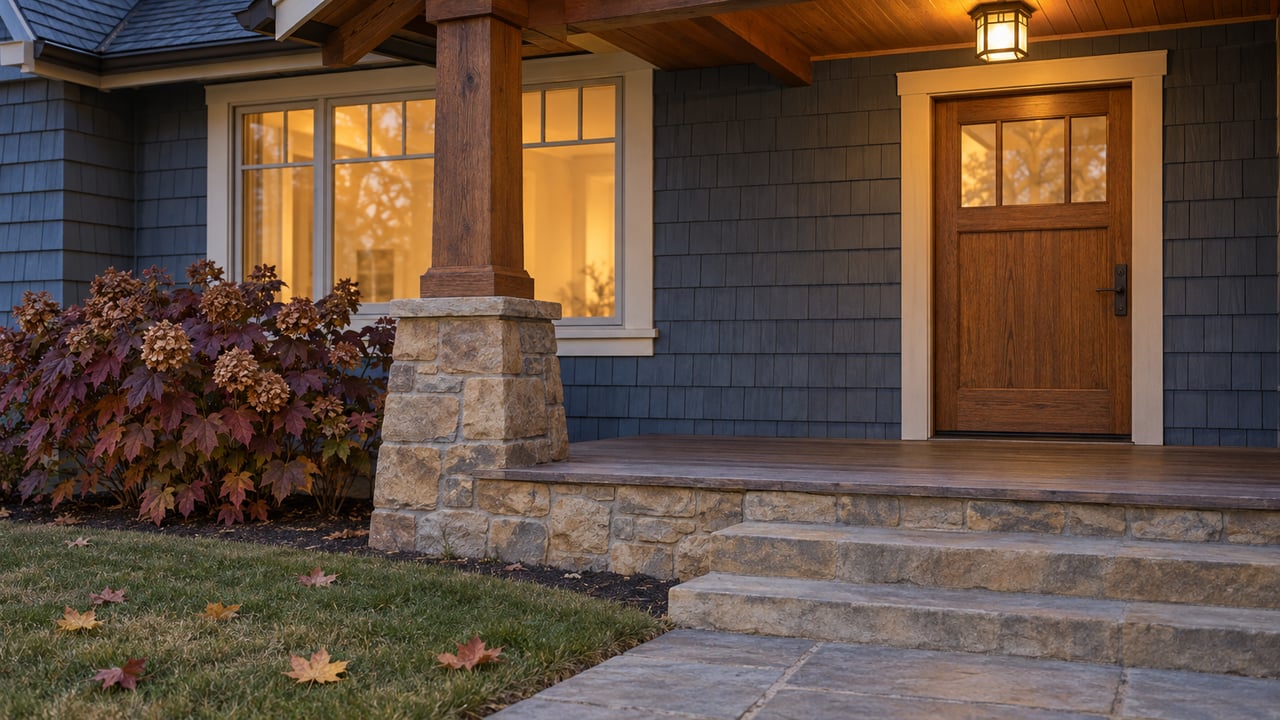
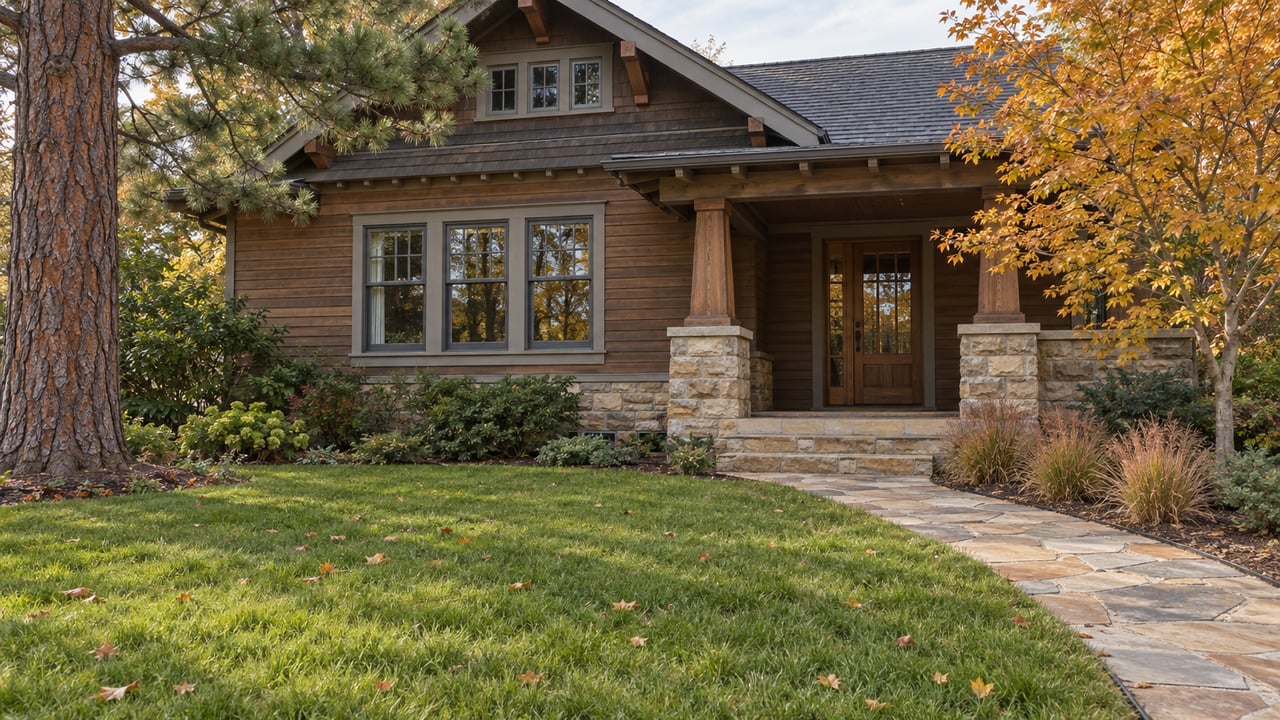
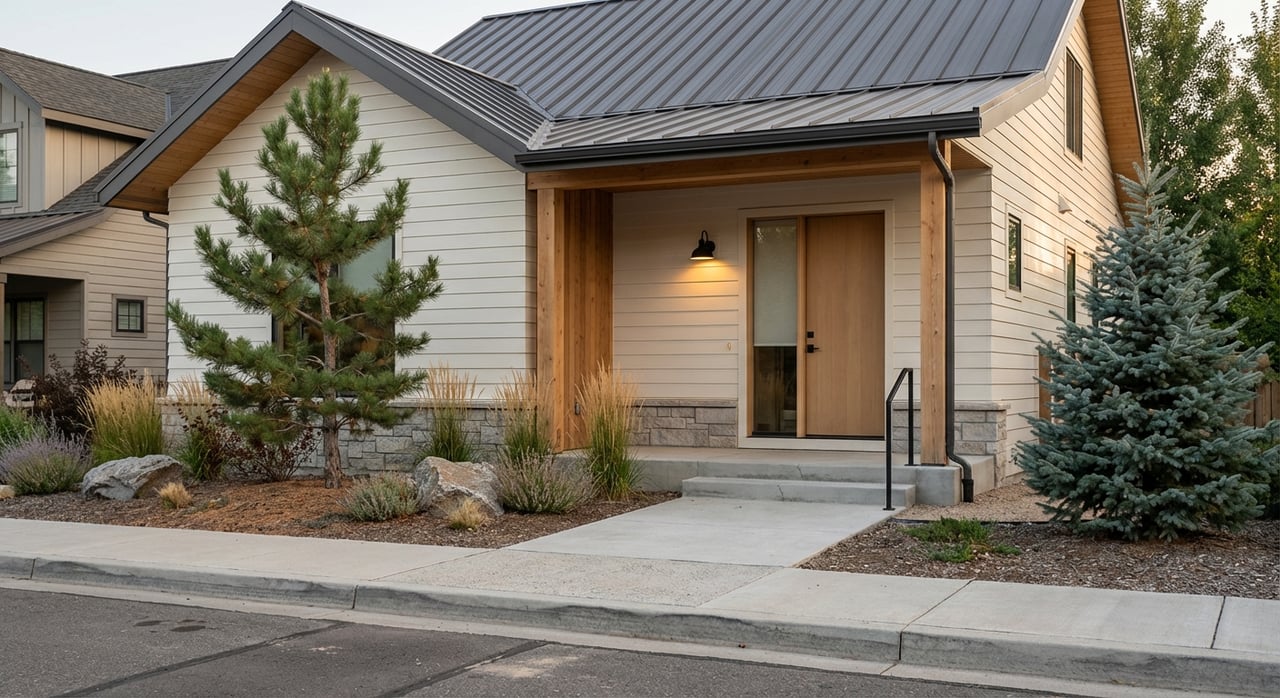
You will see a mix of early 1900s bungalows and cottages in Old Town near Main and Front Streets, with newer ranch and two‑story homes in subdivisions to the east and south. Many streets have mature trees and sidewalks, and several areas offer quick access to neighborhood parks and local trails. If you value a walk to restaurants and shops, Old Town is a common target; if you want newer construction and a larger yard, look to later‑era subdivisions.
Commute, transit and getting around
- Driving: The city frames typical drives at about 15 minutes to Boulder and about 25 minutes to downtown Denver in normal traffic. Your peak commute can vary, so model your route at your usual time.
- Transit: The US‑36 Flatiron Flyer serves the corridor between Boulder and Denver with Park‑n‑Ride access near Louisville/Superior. If you split your workweek, the Flyer can be a practical option. Learn more about the Flatiron Flyer service.
- Biking and walking: Louisville maintains roughly 32 miles of local trails, and you can link to regional routes including the US‑36 bikeway. Check city Trails & Maps to plan active commutes and weekend loops.
For a one‑stop view of commute stats, see the city’s community profile.
Schools and youth programs
Louisville is served by Boulder Valley School District. Primary public schools in the area include Louisville Elementary, Louisville Middle School, and Monarch High School. If school access matters to you, confirm attendance boundaries and after‑school options before you write an offer, since lines and programs can change.
- Check the district high school site at Monarch High School.
- Review performance reports and enrollment on the Colorado Department of Education’s SchoolView.
You will also find robust youth programming through the city’s recreation center, library, museum, and clubs. These are easy ways to plug in after a move.
Parks, trails and small‑city amenities
Daily outdoor access is a core part of life here. Louisville reports roughly 1,800 acres of city‑owned or jointly owned open space and a robust parks program with events throughout the year. Explore the city’s parks and open space programs and download trails and maps to see how neighborhoods connect.
Historic downtown centers on Main and Front Streets with independent restaurants, breweries, shops, and a seasonal farmers market. Use the Downtown Louisville Business Association to preview events and local favorites before you visit.
Marshall Fire: what to know
On December 30, 2021, the Marshall Fire destroyed more than 1,000 residences countywide, including hundreds in Louisville. This event continues to shape insurance questions, rebuild timelines, and local code decisions. If you are considering homes in or near the fire perimeter, review official resources and discuss the specifics with your agent and insurer.
- Start with the state’s Marshall Fire resources for recovery and rebuild guidance.
Quick tradeoffs vs. Boulder
- Price: Louisville is typically somewhat more affordable than Boulder, supported by the Census comparison of owner‑occupied medians. Boulder still commands higher pricing in many walkable neighborhoods, especially near the CU campus and the foothills.
- Lifestyle: Boulder offers a denser dining and entertainment scene. Louisville trades that for a quieter small‑city feel, more single‑family options, and steady community programming.
- Commute: If your work is in central Boulder, Louisville keeps your drive short. If you work in downtown Denver, your commute remains reasonable but longer during peak times, with the Flatiron Flyer as a transit option.
Is Louisville a good fit for you?
Choose Louisville if you want small‑city ease, parks and trails at your doorstep, and strong access to both Boulder and Denver. You will find a wide range of single‑family homes, from Old Town charm to newer subdivisions, plus condos and townhomes for lower‑maintenance living. If your priorities include neighborhood feel, daily outdoor time, and a realistic commute, Louisville checks a lot of boxes. If you need the very closest access to CU and Boulder’s nightlife, you may prefer Boulder proper and accept higher home values.
Your next steps
- Walk the neighborhoods, then visit during a weekday commute hour.
- Confirm school boundaries and program availability through BVSD and CDE.
- Review recent sales in your target price band and factor in insurance and utility costs.
- If considering fire‑affected areas, review rebuild details and speak with your insurer.
When you are ready to compare specific homes, we can help you refine neighborhoods, price strategy, and offer timing. Start with a Free Market Consultation with Kristin Kalush to map out your move.
FAQs
How does Louisville housing cost compare with Boulder?
- Census data shows Louisville’s owner‑occupied median value around $883,900, while Boulder’s is above $1.0 million, so Louisville is typically somewhat less expensive.
What are typical commute times from Louisville?
- The city notes about 15 minutes to Boulder and about 25 minutes to downtown Denver under normal traffic, with the average commute in the low 20 minutes range.
Which public schools serve Louisville?
- Louisville Elementary, Louisville Middle, and Monarch High School serve much of the city; always confirm current attendance boundaries with BVSD and review CDE SchoolView.
What is the vibe in downtown Louisville?
- A compact, walkable core with independent restaurants, breweries, shops, and a seasonal farmers market anchored around Main and Front Streets.
How did the Marshall Fire affect Louisville?
- The 2021 fire destroyed more than 1,000 residences countywide, including hundreds in Louisville; buyers should review official recovery resources and discuss insurance and rebuild considerations.