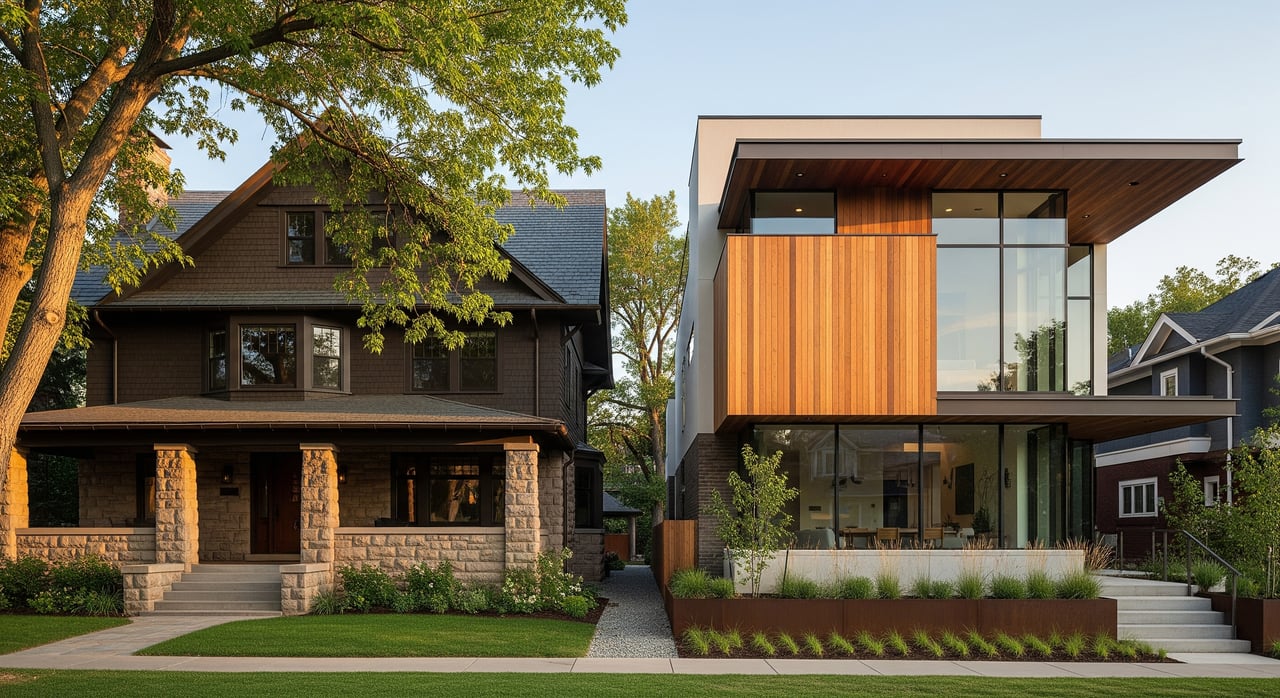
Do you love the character of a 1920s cottage, but also crave the clean lines and comfort of a new build? In Newlands, you can pick either path. As you weigh charm against turnkey convenience, it helps to understand how these homes differ in layout, maintenance, energy performance, and long‑term value. This guide breaks down the tradeoffs so you can choose with confidence. Let’s dive in.
Newlands at a glance
Newlands is an established North Boulder pocket with tree‑lined streets, early- to mid‑20th‑century cottages, and steady infill of contemporary homes. Many buyers come for the neighborhood’s character and walkability to nearby amenities. You’ll see everything from small bungalows to larger modern builds designed to maximize lot potential.
What defines a historic cottage
Historic Newlands cottages often date from the early 1900s through the 1940s. Expect smaller rooms, more compartmentalized layouts, and limited storage. Ceiling heights can be lower in certain areas, and attics or basements may be unfinished or tight.
Construction can include plaster walls, original single‑pane windows, older electrical wiring, and galvanized or cast‑iron plumbing. These homes shine for their character and setting, but you’ll want a careful inspection to assess systems and structure.
What you get with a modern build
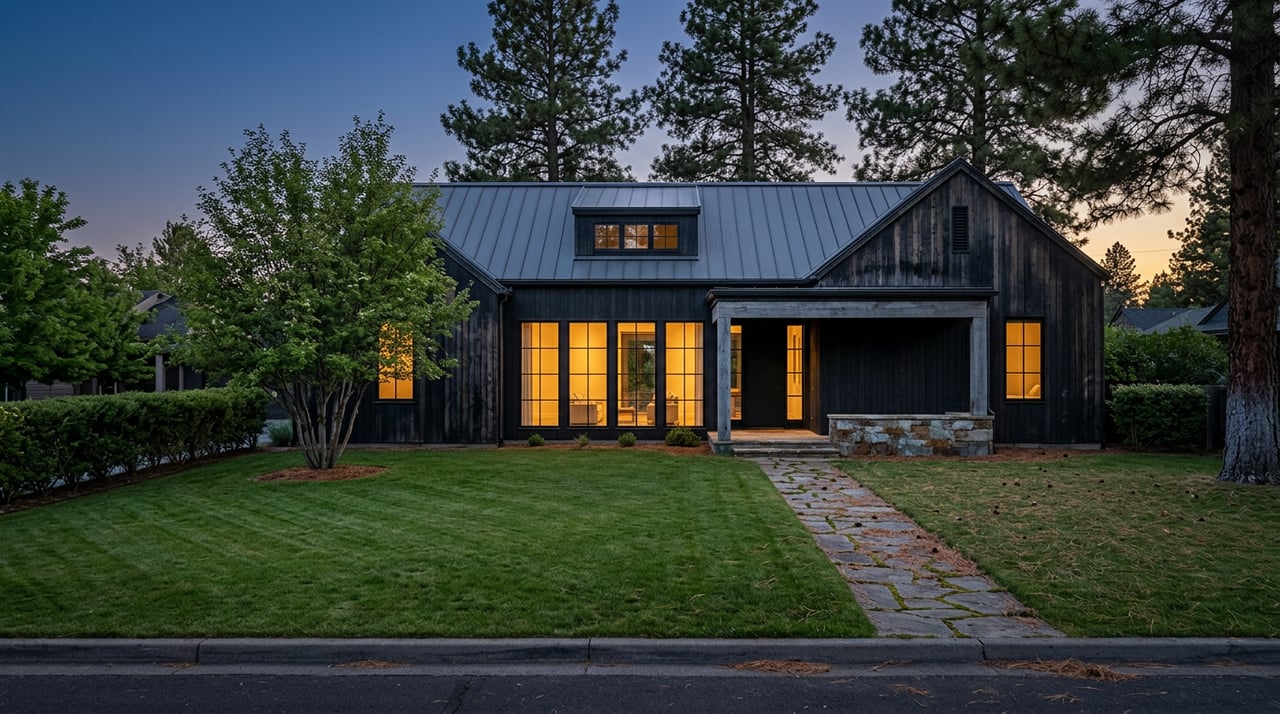
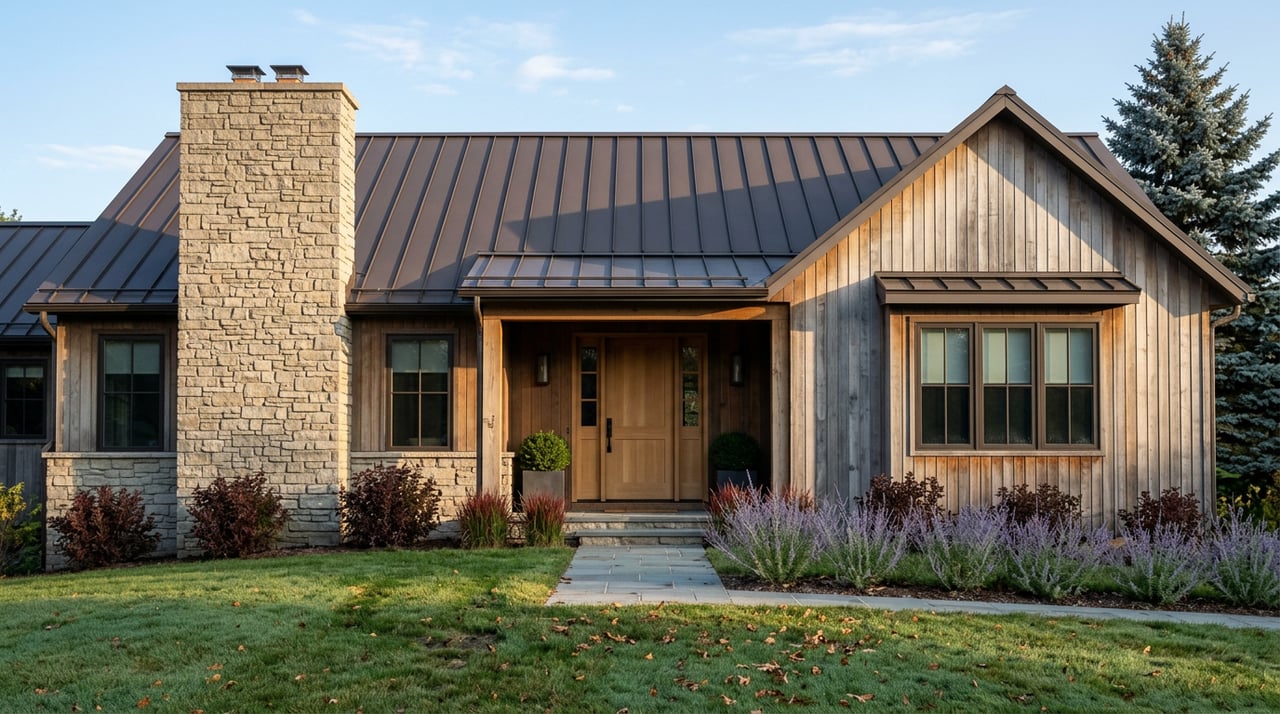
Modern homes typically offer open-plan living, larger kitchens, integrated storage, and efficient mechanical systems. You’ll find better insulation, high‑performing windows, and thoughtfully designed usable square footage across stories and finished basements.
If you prefer minimal immediate work, turnkey comfort and energy efficiency, a contemporary home can be the right fit. The tradeoff is often a higher purchase price in exchange for fewer near‑term projects.
Lot and layout tradeoffs
Older cottages often sit on modest lots with mature trees and established landscaping. Setbacks and tree roots can influence expansion plans. Contemporary infill may reconfigure the lot and push a larger footprint within current zoning.
Action items:
- Verify lot dimensions, setbacks, and buildable area before planning additions or an ADU.
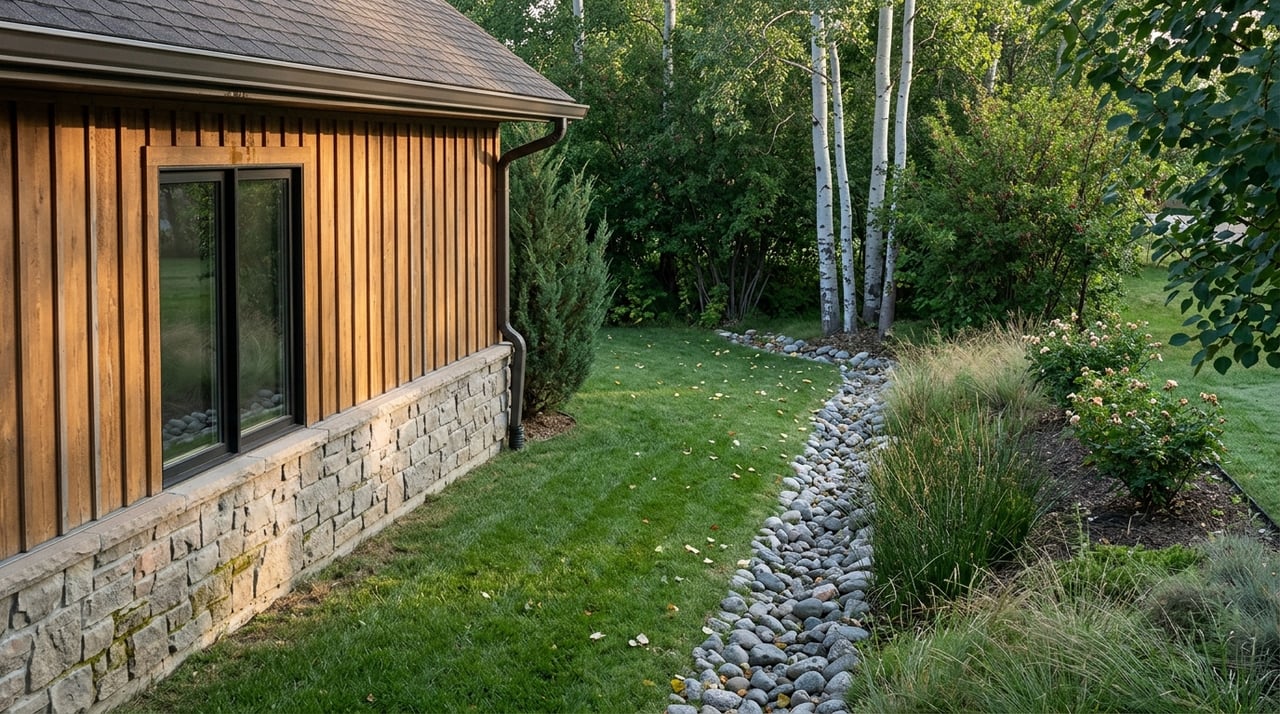
- Evaluate grading and drainage, especially around older foundations.
- Consider how trees and landscaping affect light, solar potential, and future construction.
Renovation scope and timelines
Updating a historic cottage can range from light refreshes to a full modernization. Scope drives budget, permitting, and timing.
- Cosmetic-only: paint, flooring, and a surface‑level kitchen or bath update.
- Mid-level: reconfigured kitchen, HVAC replacement, insulation and window upgrades. Permits usually required for electrical, plumbing, and mechanical.
- Full gut/expansion: structural work, new roof system, foundation updates, or additions. Expect longer timelines and more reviews.
Permits and historic review in Boulder
Some properties face additional review for exterior changes, additions, or demolition. Before you budget, confirm whether a home is landmarked or subject to design review and understand what exterior alterations are allowed. Get clarity from the City of Boulder’s planning and historic preservation teams early in the process.
Hazardous materials and utility upgrades
Older homes can involve lead paint or asbestos in certain materials. Abatement requires certified contractors and adds time and cost. Whole‑house electrical upgrades are common to meet current code, especially if you plan to add electric appliances or HVAC.
Energy and comfort: old vs new
Historic cottages often have higher air leakage, minimal cavity insulation, and older heating systems. You may feel seasonal drafts and see higher utility bills until upgrades are completed. Modern builds typically arrive with tighter envelopes, better insulation, and efficient equipment.
Practical retrofit wins for older homes
- Air sealing and attic insulation to cut drafts and heating loads.
- HVAC modernization: high‑efficiency gas furnace or an electric heat pump system after contractor evaluation.
- Window strategy: air sealing and storm windows or selective replacement where it delivers comfort gains.
- Basement or crawlspace sealing and insulation to reduce heat loss and moisture.
- LED lighting, efficient appliances, and smart thermostats for quick savings.
Tip: Ask for an energy audit with blower‑door testing to pinpoint priorities and identify available incentives. Utility and local programs, plus federal tax credits, may support upgrades.
Financing and tax considerations
If you’re buying a cottage that needs work, renovation‑friendly mortgages exist to bundle purchase and project costs. Availability and underwriting vary by lender and program. After major improvements, property taxes may be reassessed, so factor possible changes into your long‑term budget.
Market and resale in Newlands
Buyer demand splits between two profiles: those who value original character and those who want move‑in readiness. Turnkey modern homes often command a premium for convenience and efficiency. Well‑executed renovations on historic cottages can also perform strongly, especially when you document permits and system upgrades.
For resale, prioritize quality and transparency: keep records of improvements, warranties for major systems, and proof of code compliance. Curb appeal matters in both cases. Preserve charming details on historic homes, and ensure modern architecture respects neighborhood scale.
How to choose: quick decision framework
- Buyer A: You love original details and location. You’re comfortable with phased renovations and willing to modernize systems over time while preserving character.
- Buyer B: You want minimal projects, open living, and high energy performance. You’ll pay more for turnkey comfort and newer systems.
- Buyer C: You want both charm and function. You’ll modernize layout and systems where it counts, after carefully scoping cost, permitting risk, and timelines.
Due diligence checklist
- Structure: foundation condition, signs of settlement, roof age and leaks.
- Systems: electrical capacity and wiring type, plumbing material, HVAC and water heater age.
- Envelope and moisture: attic insulation levels, signs of moisture intrusion, exterior drainage.
- Hazards: possible lead paint or asbestos. Plan for testing and abatement if needed.
- Legal and review: confirm historic status, zoning, setbacks, and any design review requirements.
- Utilities and energy: request past utility bills and consider a pre‑purchase energy audit.
Next steps
Choosing between a classic Newlands cottage and a modern build comes down to how you want to live in the home today and how much work you want to take on. With the right plan, either path can be a great long‑term investment. If you’d like a local perspective on permitting, renovation scope, energy upgrades, and resale in Newlands, let’s talk.
Ready to explore Newlands with a team that blends neighborhood expertise and renovation know‑how? Connect with Kristin Kalush for a no‑pressure consultation.
FAQs
What should I inspect first in a historic Newlands cottage?
- Start with structure, roof, electrical panel and wiring type, plumbing material, and signs of moisture. Then evaluate insulation levels and HVAC age.
How do modern Newlands homes differ in daily living?
- You typically get open layouts, larger kitchens, integrated storage, and better energy performance, which means more comfort and fewer immediate projects.
Will a historic designation limit my renovation plans?
- It can affect exterior changes, additions, or demolition. Confirm status early and consult the city’s preservation staff before setting scope or budget.
Which energy upgrades give the fastest comfort boost?
- Air sealing, attic insulation, and HVAC right‑sizing or modernization often deliver the quickest comfort and utility improvements.
Are renovation loans available for Newlands properties?
- Yes. Certain mortgage products bundle purchase and renovation, but terms and eligibility vary. Compare options and timelines with your lender.
How do I compare resale potential between old and new?
- Look at finished square footage, lot size, quality of systems and finishes, documentation of permitted work, and days on market for similar nearby sales.