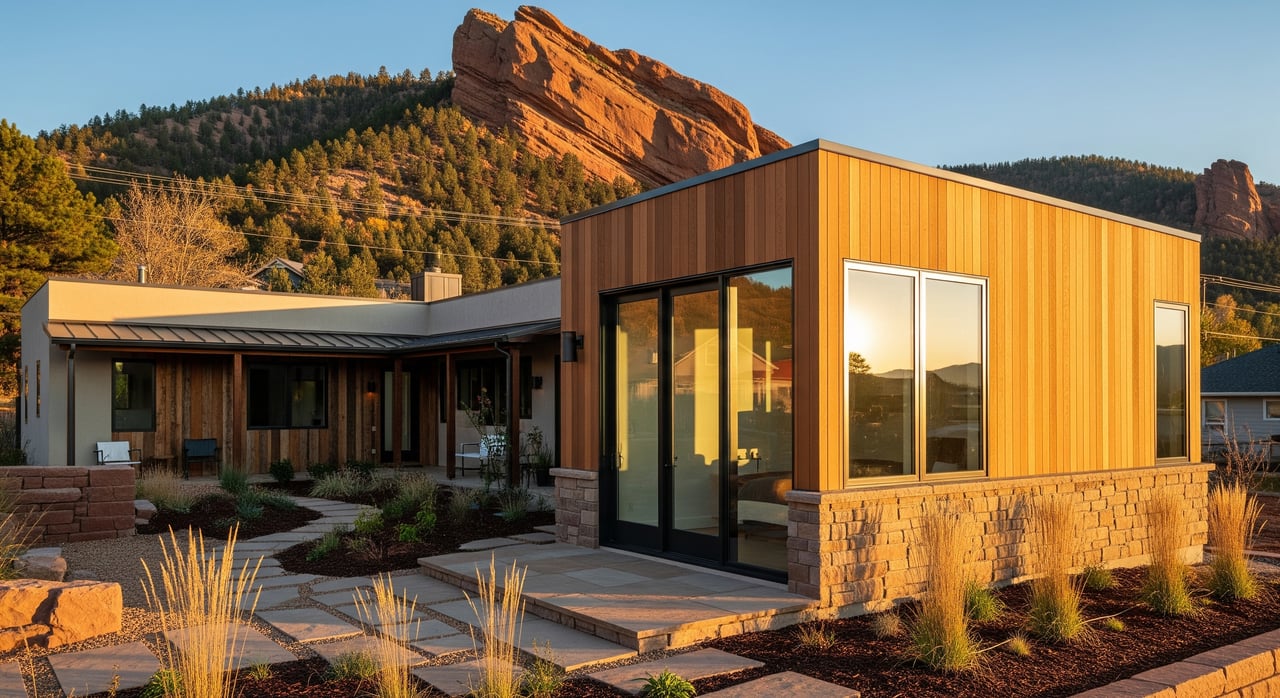
Thinking about adding an ADU in Lyons or buying a home with room for one? You’re not alone. Many buyers here want flexible space for family, guests, or rental income, but local hazards and small-town rules can make the path unclear. This guide shows you what counts as an ADU, how Lyons-specific constraints shape feasibility, what permits you’ll likely need, and how to plan financing, taxes, and rental use. Let’s dive in.
What an ADU is
An accessory dwelling unit is a secondary home on the same lot as a primary single-family house. It has its own kitchen, bathroom, and sleeping area. You’ll see several forms:
- Detached ADU: a separate backyard cottage or carriage house.
- Attached ADU: a new wing or addition connected to the main home.
- Interior conversion: a basement, attic, or a portion of the existing house converted to its own unit.
- Garage conversion or above-garage unit: converting or building over a garage.
- Tiny home on a foundation used as an ADU, if it meets local code.
An ADU is different from a duplex. It stays accessory to the main home, with size and occupancy limits set by local code.
How ADUs fit in Lyons
Lyons is a small mountain-town community between Boulder and Estes Park with strong outdoor appeal. That charm comes with real-world constraints. Whether an ADU is allowed depends on your property’s zoning and the Town of Lyons Land Use Code. Rules can vary by zone, lot size, and neighborhood overlays.
Natural hazards are a big factor. Lyons has mapped floodplain areas and saw major flooding in 2013. Some sites face wildfire risk or steep slopes that add design and construction requirements or limit where a detached unit can go. Many municipalities also cap ADU size, allow only one per lot, and set setback, height, and lot coverage standards. Confirm the Town’s current owner-occupancy and short-term rental rules before you count on rental income.
First steps: can this lot host an ADU?
Before you spend on design, confirm these basics:
- Parcel ID and zoning designation, plus whether ADUs are allowed on that parcel.
- FEMA flood zone status and any local floodplain overlays or stream setbacks.
- Existing lot coverage, required setbacks, and your buildable envelope.
- Slopes, rock outcroppings, drainage, and wildfire defensible space needs.
- Wastewater: municipal sewer availability vs septic capacity and potential upgrades.
- Access for construction and utility service (electric, gas, water).
- Parking availability and street access, including any required off-street space.
- Historic or design review overlays that influence materials or massing.
- Contact list for due diligence: Town of Lyons Planning and Building, Boulder County (if unincorporated), utility providers, the Boulder County Assessor.
Permits and approvals in Lyons
Expect a zoning and entitlement check first to confirm the use, size limits, setbacks, and parking. Site feasibility should verify utilities, septic or sewer tie-in, floodplain status, and access. Most projects then move through building permits under the International Residential Code with local amendments.
Depending on location, you may also need a floodplain development permit or variance. Interior conversions are often simpler than new detached units, especially where hazards or lot coverage are tight. If you are outside Town limits, Boulder County’s permit office may be the lead agency. Final inspections and a Certificate of Occupancy are required before you can rent or occupy the unit.
Timeline and fees to expect
Timelines vary. Interior conversions can take weeks to a few months, while detached units often require several months for design, permits, and construction. Delays commonly come from utility upgrades, floodplain approvals, or land-use conditions. Plan for permit and plan review fees, possible impact fees, and utility connection costs. Ask the Town for current fee schedules before you budget.
Choose the right ADU type
Your site and goals should guide the form you choose. Here’s a quick way to think about it:
- Interior conversion: typically the fastest and least costly; ideal if you have an underused basement or large garage. It keeps the massing within existing walls.
- Attached ADU: creates a separate entrance and full unit while sharing walls and systems with the main home; helpful on smaller lots or in hazard areas where detached structures face more limits.
- Detached ADU: offers privacy and strong rental appeal; best for lots with room to meet setbacks, height, and coverage rules and where access for utilities and construction is straightforward.
Renting your ADU in Lyons
ADUs can support long-term rentals or short-term stays, but local rules matter. Short-term rentals often require stricter licensing, taxes, and neighborhood limits, and some places require owner-occupancy of either the main home or the ADU. Verify Lyons’ current short-term rental policies and any owner-occupancy requirements before you plan your operating model.
Income potential depends on unit size, finish level, location, utilities, and parking. If you plan to rent, think through management, cleaning, and turnover needs. Decide whether to include utilities in rent or install separate meters to simplify billing.
Financing, taxes, and insurance
Owners often fund ADUs with cash, home equity lines, renovation loans, or construction loans. Some buyers use rehab-friendly mortgages such as Fannie Mae HomeStyle or FHA 203(k). Lenders vary in how they treat ADUs and whether projected rental income can help you qualify. Work with a mortgage professional who understands Colorado ADU lending.
Adding an ADU usually increases assessed value and property taxes. The Boulder County Assessor can explain how valuation may change. For insurance, notify your carrier early. If you intend to rent, ask about a landlord policy or endorsements to cover liability and the additional dwelling.
Buyers: how to assess ADU potential fast
Use this quick framework when touring:
- Is an ADU permitted by zoning on this lot? Are there size or height caps that box in your plan?
- Do setbacks, lot coverage, or slopes limit your buildable area?
- Is the property in a FEMA flood zone or local floodway that triggers elevation or mitigation?
- Is there municipal sewer? If on septic, will you need an engineered upgrade to support another unit or bedrooms?
- Can you provide the required off-street parking?
- Are utilities sized for another kitchen and added loads, or will service upgrades be needed?
- What will the permitting timeline mean for your move-in or rent-up plans?
Sellers: presenting an existing ADU
A legal, permitted ADU can broaden your buyer pool and add value. Gather permit history, final inspections, and the Certificate of Occupancy so buyers can verify compliance. If a unit was built without permits, consider consulting local officials and qualified contractors to understand options before listing.
Common pitfalls in Lyons
- Starting design before confirming floodplain status and stream setbacks.
- Assuming a small lot can host a detached unit without checking coverage and setbacks.
- Overlooking septic capacity or the need for costly upgrades.
- Underestimating utility connection and service upgrade fees.
- Ignoring wildfire defensible space or steep-slope limits that change design choices.
- Skipping permits and inspections, which can derail financing, sale, or rental plans.
Your next steps
- Call the Town of Lyons Planning Department to confirm zoning, ADU allowances, and any owner-occupancy or short-term rental rules.
- Check FEMA maps and talk with the Town’s floodplain administrator if the parcel is near a stream or mapped hazard area.
- Speak with a local architect, civil engineer, or contractor experienced in Lyons to scope feasibility, utilities, and site work.
- Get early input from a mortgage professional about loan options and how rental income may be treated.
If you want a clear, step-by-step plan before you make an offer, Valta & Co. can help you evaluate ADU potential, coordinate local pros, and shape a competitive strategy. Reach out to Kristin Kalush to start a focused conversation on your goals.
FAQs
Are ADUs allowed in Lyons, Colorado?
- It depends on your property’s zoning and any overlays; the Town of Lyons Planning Department can confirm if an ADU is permitted on a specific lot and under what conditions.
How big can an ADU be in Lyons?
- Many municipalities set a maximum square footage or a percentage of the primary home plus height and lot coverage caps; check Lyons’ current Land Use Code for exact limits on your parcel.
Can I short-term rent an ADU in Lyons?
- Short-term rentals may require licensing, taxes, and compliance with local rules, and some places apply owner-occupancy requirements; verify Lyons’ current STR policies before you plan revenue.
Can I add an ADU if the home uses septic?
- Often yes, but septic capacity is a common constraint; many projects require system evaluation and possible upgrades when adding bedrooms or a separate unit.
How long does it take to permit and build an ADU?
- Interior conversions can move in weeks to a few months; detached ADUs typically take several months for design, permits, and construction, with timelines affected by utilities and floodplain reviews.
What should I ask for when buying a home with an ADU?
- Request permit history, final inspections, and the Certificate of Occupancy; confirm zoning compliance, parking, utilities, and whether any rental or owner-occupancy rules apply to the property.