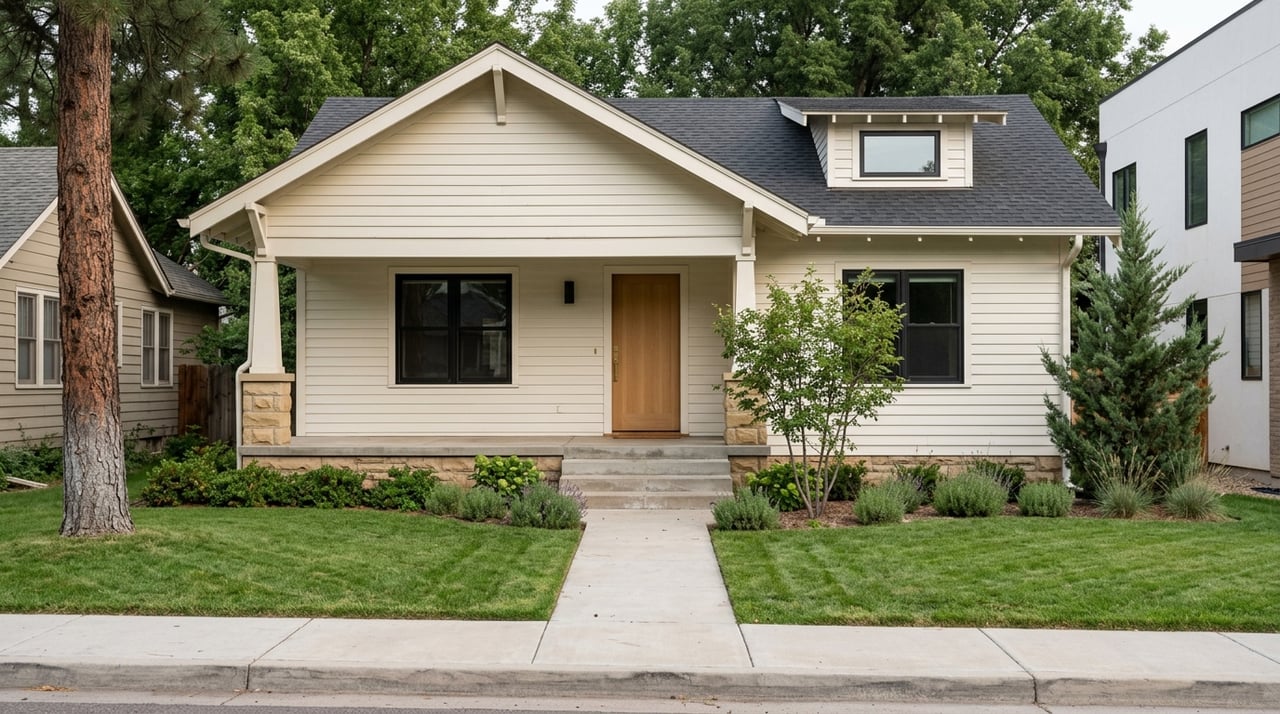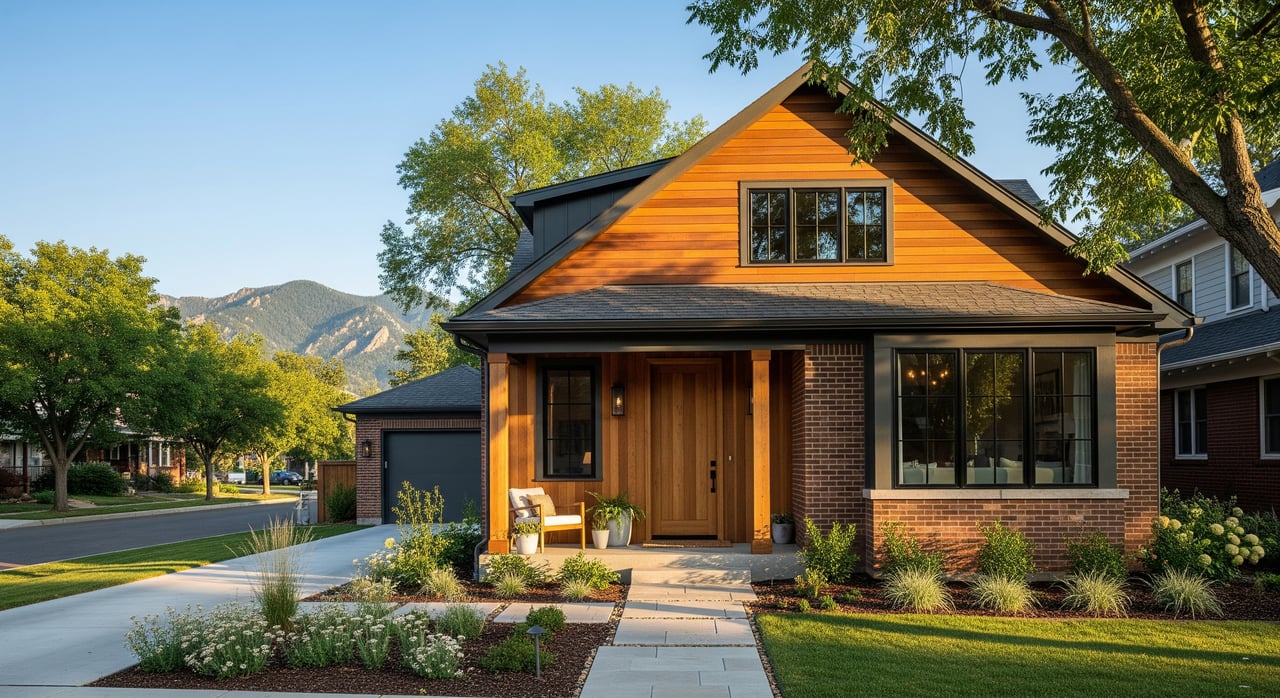
Thinking about buying your first home in Longmont? You are not alone. Longmont offers a compelling mix of lifestyle, relative value, and access to Front Range jobs, which makes it a smart entry point for many first-time buyers. In this guide, you will get a clear picture of costs, timelines, inspections, and local norms so you can plan with confidence. Let’s dive in.
Why Longmont works for first-time buyers
Longmont sits in Boulder County and typically comes in at lower price points than the City of Boulder. You still get a strong quality of life with parks, the St. Vrain corridor, and a lively downtown. Housing options range from Old Town bungalows and condos to newer master-planned neighborhoods and townhomes, so you can match your budget and lifestyle.
If you are comparing areas, expect Longmont to feel more affordable than Boulder proper, yet higher than many Colorado markets. Your price range will depend heavily on down payment, loan type, and the monthly costs you are comfortable carrying.
Budget basics in Longmont
Set your budget early so every decision supports it. Plan for these main components:
- Down payment. Options include FHA at 3.5 percent down, conventional programs at 3 percent or 5 percent down, and VA for eligible buyers. Income-eligible buyers can explore assistance through the Colorado Housing and Finance Authority.
- Earnest money. Commonly 1 to 3 percent of the purchase price and due shortly after your offer is accepted. This is credited back to you at closing if you proceed under contract terms.
- Closing costs. Typically about 2 to 5 percent of the purchase price. These include lender fees, title and recording charges, prepaid interest, prorated taxes, and homeowners insurance. Ask your lender for a Loan Estimate early so you can plan.
- Property taxes. Taxes are assessed by Boulder County. Review past bills and mill levies on the Boulder County Assessor site to understand annual obligations.
- Insurance. Premiums vary by home features and location. Some properties near river corridors may require flood insurance if in a FEMA flood zone. Areas with higher wildfire risk can also affect premiums.
- Utilities. Longmont has municipal utilities. Request recent utility bills from sellers during showings so you can estimate monthly costs accurately.
Get pre-approved, not just pre-qualified
A full lender pre-approval shows sellers you are ready to perform. It also clarifies your budget and reveals any credit or documentation issues early. In competitive moments, a strong pre-approval can help your offer rise to the top.
Neighborhood and lifestyle fit
As you tour, focus on how each area supports your daily life.
- Old Town and nearby blocks. Walkable, close to dining and shops, and a mix of condos and older homes that may have unique maintenance needs.
- Newer subdivisions. More recent construction with modern systems and finishes. Many include HOAs, which add rules and monthly fees to factor into your budget.
- Outskirts and edges of town. Newer or larger homes with trade-offs in commute time or distance to amenities.
- Schools. Longmont is primarily served by the St. Vrain Valley School District. Verify attendance areas directly with the district for any specific property.
- Commute and transit. Check access to US 287 and CO 119, bus routes, and park-and-ride options if needed.
Your step-by-step buying timeline
While every transaction is unique, most first-time buyers follow a similar path.
Pre-approval and planning
- 1 to 7 days to gather documents and receive a lender-issued pre-approval.
House hunting
- Weeks to months, depending on inventory and your flexibility.
Offer and acceptance
- Hours to several days. Include your pre-approval and follow instructions for earnest money delivery.
Under contract: key deadlines
- Day 1 to 3: Deposit earnest money per contract.
- Days 3 to 10: Inspection period. Complete a general inspection and any additional tests.
- Title and HOA review: Often within the first 7 to 14 days. Read everything and ask questions early.
- Appraisal and underwriting: Typically within 21 to 45 days of contract, depending on lender and scheduling.
- Closing: Commonly 30 to 60 days from contract date.
Colorado contracts and protections
Colorado uses state-approved forms that outline deadlines and rights for both parties. Review these with your agent before you write an offer.
- Standard forms. Contracts and disclosures originate from the Colorado Real Estate Commission. You can see current forms on the Colorado Division of Real Estate site.
- Inspection contingency. You have a defined window to inspect and object. You can negotiate repairs or credits, or cancel within deadlines if needed.
- Financing contingency. You must apply promptly and work to obtain loan approval by the loan commitment date.
- Appraisal contingency. Protects you if the appraised value comes in lower than the purchase price. You may renegotiate, bring additional funds, or terminate depending on contract terms.
- Title and HOA review. You have time to review title commitments and HOA documents. Use it. HOA rules and financial health can affect your ownership experience and costs.
Inspections that matter in Boulder County
Plan your due diligence with local conditions in mind.
- General home inspection. Evaluate structure, roof, plumbing, electrical, HVAC, and more.
- Radon testing. Colorado has elevated radon potential. Testing is common and recommended by the EPA. You can also read guidance from the Colorado Department of Public Health and Environment.
- Sewer scope. Especially important for older homes to catch potential line issues.
- Roof and HVAC specialists. Bring in licensed pros if your general inspector flags concerns.
- Lead-based paint disclosure. Required for homes built before 1978.
- Wildfire risk. Ask about defensible space and vegetation management. Learn more from Boulder County’s wildfire resources.
- Floodplain checks. Homes near the St. Vrain River may sit in mapped floodplains, which can affect insurance and lending. Review Boulder County flood information and ask for any elevation certificates on file.
HOA due diligence
If the property is in an HOA, request and read the full resale packet early.
- Review CC&Rs, bylaws, rules, fee schedules, insurance coverage, budgets, reserves, and recent meeting minutes.
- Confirm what the master insurance policy covers. Townhome and condo owners often need an additional policy for interior and personal property.
- Look for any pending or recent special assessments.
Touring tips for first-time buyers
Make the most of every showing with a short checklist.
- Note storage, room sizes, natural light, and layout flow.
- Ask about roof age, HVAC age, service records, and past permits.
- Walk the exterior to check grading and drainage away from the foundation.
- Observe parking, traffic, and noise at different times of day.
- Take photos and notes, then compare homes side by side.
Closing day and logistics
Once you are through inspections, appraisal, and underwriting, you will receive a preliminary closing statement from the title company. Complete a final walk-through within 24 to 72 hours of closing to confirm condition. On closing day, you will sign final documents and wire funds using secure, verified instructions from the title or closing agent. Always confirm wire details by phone using a known number to protect against fraud.
Quick Longmont first-time buyer checklist
- Get a lender pre-approval and set your full budget.
- Explore CHFA or local assistance if eligible.
- Target neighborhoods and verify school attendance with the district.
- Budget for down payment, 2 to 5 percent closing costs, and reserves.
- Include radon testing and consider a sewer scope.
- Review title and HOA documents early.
- Track all contract deadlines and communicate quickly with your lender and agent.
- Plan for 30 to 60 days from contract to close.
Ready to start your Longmont search?
Buying your first home is a big step, and it is much easier with a clear plan and a local team guiding each decision. If you want help narrowing neighborhoods, crafting a smart offer, or coordinating inspections and deadlines, reach out to Kristin Kalush for a friendly, no-pressure conversation to map your next steps.
FAQs
What makes Longmont appealing for first-time buyers?
- Longmont offers relative value compared with the City of Boulder, a wide mix of home types, and solid access to Front Range employers, which helps first-time buyers find workable options.
How much cash should I budget to buy in Longmont?
- Plan for your down payment plus 1 to 3 percent earnest money and about 2 to 5 percent in closing costs, then add reserves for insurance, utilities, and maintenance.
Do I really need a radon test in Longmont?
- Yes, radon testing is commonly recommended in Boulder County due to elevated potential, and guidance from the EPA supports testing during inspections.
How long does a Colorado home purchase take to close?
- Many transactions close in 30 to 60 days from contract, with key milestones like inspection in the first 3 to 10 days and appraisal and underwriting within the first few weeks.
What HOA documents should I review before buying?
- Read CC&Rs, rules, budgets, reserves, insurance coverage, fee schedules, and meeting minutes to understand costs and policies that will affect ownership.
Where do I verify property taxes for a Longmont home?
- Check past bills and current information on the Boulder County Assessor website and review the title company’s proration estimate.
Are there down payment assistance programs for first-time buyers?
- Yes, income-eligible buyers can explore options with the Colorado Housing and Finance Authority and may find additional resources through City or County housing programs.