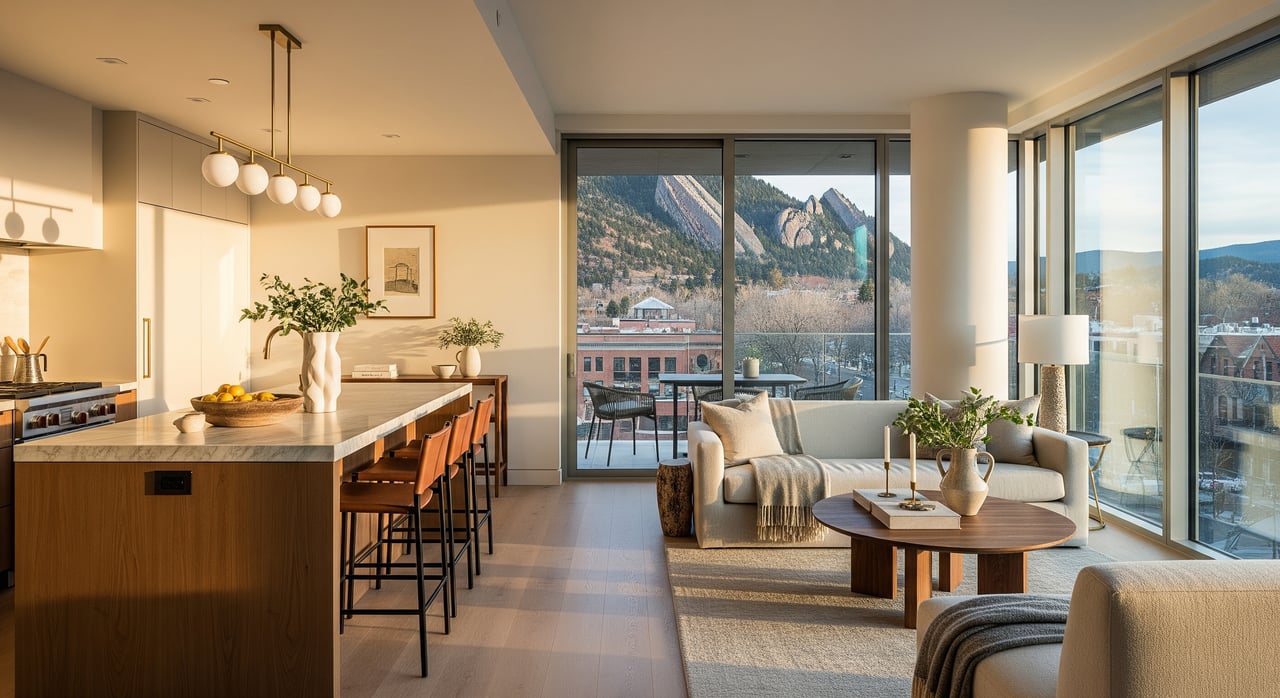
Want Pearl Street at your doorstep and trails minutes away, without mowing a lawn? If you’re eyeing a condo in Downtown Boulder, you’re choosing convenience, community, and low‑maintenance living. In this guide, you’ll learn how buildings differ, what HOA life really means, how parking and storage work, and the key tradeoffs compared with a single‑family home. You’ll also get a practical checklist to use on tours and during due diligence. Let’s dive in.
Why choose downtown Boulder
Downtown Boulder is compact, vibrant, and in high demand. You’ll find walkable access to the Pearl Street Mall, restaurants, coffee, transit, and bike paths, plus quick connections to open space and trailheads. Inventory can be tight and well‑located units attract strong interest, so being prepared helps you move with confidence.
Regulations and local conditions matter here. Some areas near Boulder Creek have floodplain considerations, and rental rules, especially short‑term rentals, are set by the city and by each building. Zoning and future development may influence views, sunlight, and street activity. Build these factors into your evaluation from day one.
Condo buildings at a glance
Historic and converted
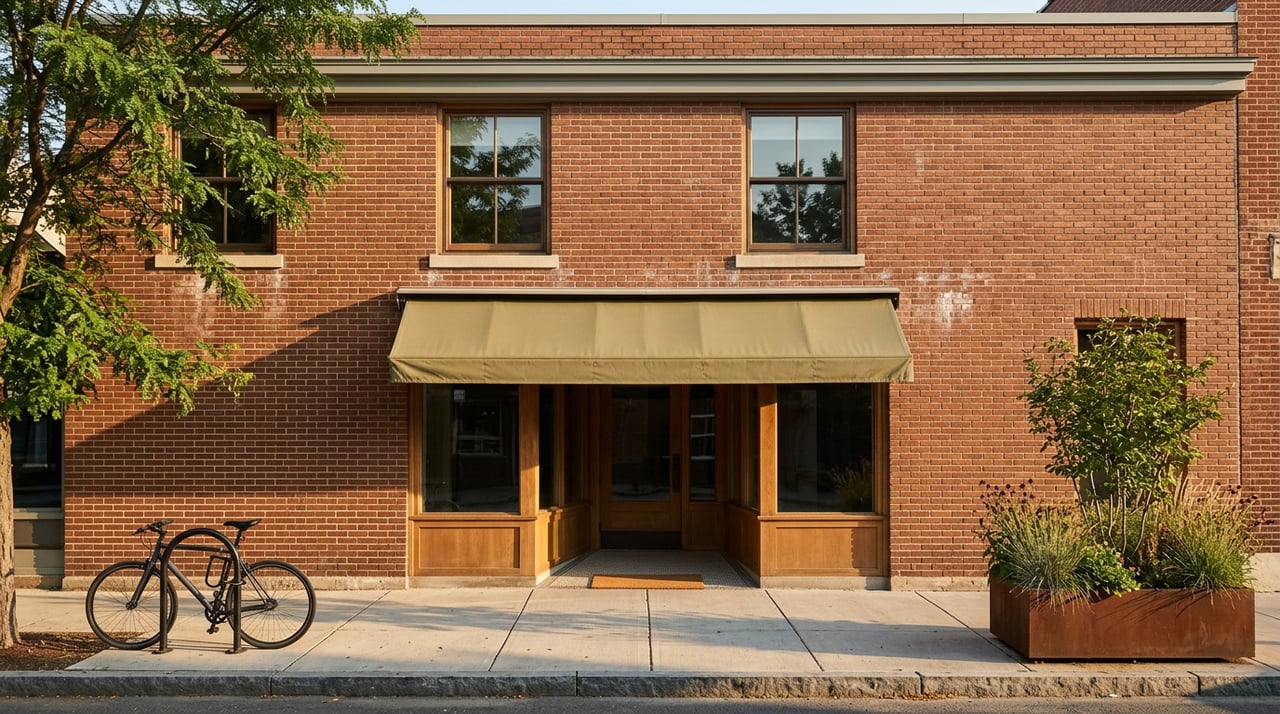
You’ll see brick warehouses and early‑20th‑century buildings converted to condos. You get character and central locations, but you may also find older systems, less insulation, and fewer modern amenities.
Mid‑rise staples
Mid‑rise buildings, typically three to six stories, are common along urban corridors. Many have elevators and a mix of assigned garage parking and on‑street permits. Amenity sets vary by building.
Newer luxury and mixed‑use
Recent projects add modern finishes, secure access, below‑grade parking, fitness centers, and rooftop spaces. These conveniences often come with higher HOA fees to support staffing and operations.
Loft and live/work
Loft and live/work units offer flexible space for home offices or creative use. Expect open layouts, higher ceilings, and sometimes fewer private rooms.
Townhouse‑style condos
Multi‑level, attached condos can feel closer to single‑family living while keeping HOA support for exterior maintenance. You still share walls and follow building rules.
Amenities and HOA fees
Common perks
Common amenities often include secure entry, fitness rooms, rooftop decks or courtyards, bike storage and tune‑up areas, conference spaces, and guest suites. Covered or underground parking is typical in newer buildings, and EV charging is increasingly available.
How amenities affect fees
Buildings with concierge or extensive shared spaces usually carry higher monthly HOA fees. Older buildings may have fewer amenities, but if reserves are weak or major repairs are pending, you could see special assessments. Always review the budget and reserve study before you fall in love with a unit.
Construction and comfort
Older masonry can mean thick walls, but not always modern soundproofing. Newer structures use engineered assemblies that still may transmit noise through shared elements. Window quality and insulation matter for Boulder’s hot summers and cold winters. HVAC systems vary by building, from centralized setups to in‑unit forced air, which will affect comfort and utility costs.
HOA rules and financial health
What to review before you buy
The HOA’s governance and finances are as important as the floor plan. Ask for and review:
- CC&Rs, Bylaws, and Rules & Regulations
- Budgets and financials for the past two to three years
- The most recent reserve study
- Board meeting minutes and any history of special assessments
- The master insurance policy and deductibles
- The resale certificate or condo questionnaire
Strong reserves, transparent communication, and a clear maintenance plan signal a healthy community.
Rules that often matter
Confirm policies in writing, not just verbally. Focus on:
- Pet rules, including size or number limits
- Rental rules, including short‑term rental restrictions or rental caps
- Renovation and contractor access rules
- Parking assignments and guest parking enforcement
- Smoking policies and common‑area use
- How special assessments are proposed and approved
Parking, storage and daily logistics
Parking must‑knows
Many downtown condos include deeded or assigned stalls. Confirm what you are buying and how it is documented. Ask about guest parking, street‑permit zones, garage height limits, and whether tandem spaces exist. If you need EV charging, check availability and any retrofit rules.
Storage and bikes
In‑unit storage is often limited downtown. Look for deeded storage lockers or rentable cages and secure bike rooms, which are common in Boulder. If you have lots of seasonal gear, consider whether off‑site storage will be needed.
Utilities and services
Clarify what the HOA covers. Water and trash are sometimes included, while heating and electricity can be central or unit‑metered. Ask for typical monthly utility costs, available internet providers, and the trash/recycling schedule. Most HOAs handle snow removal in common areas.
Safety and security
Entry systems, cameras, and staffed access points improve day‑to‑day security. Confirm fire safety systems, sprinkler coverage, and maintenance records for compliance.
Lifestyle tradeoffs to consider
Downtown benefits
- Walkability to dining, shopping, and entertainment
- Less exterior maintenance and simplified living
- Amenity access like gyms and rooftops
- Shorter commutes and strong bike/transit options
- Proximity to trails and outdoor recreation
Common tradeoffs
- Limited private outdoor space and smaller balconies
- Street and neighbor noise, plus shared walls and floors
- Building rules that limit pets, rentals, or renovations
- Monthly HOA fees and potential special assessments
- Less storage for bulky or seasonal items
What to prioritize on a tour
- Parking: Confirm deeded or assigned stalls and guest options.
- Noise: Visit at different times to gauge street and neighbor activity.
- Light: Note window orientation and nearby buildings that may shade the unit.
- Storage: Check closets, cabinets, and any locker or bike room.
- Water and drainage: Test taps and showers for pressure.
- HVAC and laundry: Verify in‑unit systems and their condition.
- Building condition: Look at hallways, lobbies, roof views, and garage upkeep.
- HOA materials: Request the budget, reserve study, minutes, insurance summary, and CC&Rs early.
- Flood risk: Ask about floodplain status and any prior water intrusion.
- Pet and rental rules: Verify written policies.
- Management: Ask how responsive the manager and board are.
Smart due diligence steps
- Review the resale certificate and condo questionnaire as early as your contract allows.
- Ask for a five‑year history of special assessments and what prompted them.
- Confirm how utilities are metered and who pays for what.
- Verify parking in the title report and CC&Rs, including any EV charging policies.
- Request a summary of any pending litigation or insurance claims.
- Have a condo‑savvy home inspector evaluate the unit and common elements when possible.
- If financing, confirm your lender’s condo project eligibility requirements.
- If you plan to rent, confirm city rules and the building’s rental policy and caps.
- Ensure you carry appropriate HO‑6 condo insurance for interiors, personal property, and any master policy deductible exposure.
The bottom line
Condo living in Downtown Boulder delivers walkable convenience and a lock‑and‑leave lifestyle, but every building is different. The right fit comes from balancing amenities, HOA health, rules, parking, and storage with your daily routine and budget. With clear due diligence and a focused search, you can capture the best of Boulder’s urban energy while avoiding costly surprises.
If you want a local guide to compare buildings, read HOA documents, and craft a winning offer strategy, connect with Kristin Kalush to start with a free market consultation.
FAQs
What does an HOA fee usually cover in downtown Boulder condos?
- HOA fees commonly fund building insurance, exterior and common‑area maintenance, landscaping, snow removal, some utilities like water or trash, and reserves for future repairs.
Can you use a downtown Boulder condo as a short‑term rental?
- It depends on both city regulations and the building’s CC&Rs; confirm written policies and any rental caps before you buy.
How does parking typically work for downtown Boulder condos?
- Many units include deeded or assigned garage stalls; confirm documentation, guest parking rules, street‑permit options, and any garage size limits.
Are some downtown Boulder condos in a flood zone?
- Areas near Boulder Creek can have floodplain considerations; verify the property’s status and ask about any past water intrusion or mitigation work.
What documents should you request from the HOA before closing?
- Ask for CC&Rs, Bylaws, Rules, recent budgets and financials, the reserve study, board minutes, the master insurance summary, and the resale certificate or condo questionnaire.