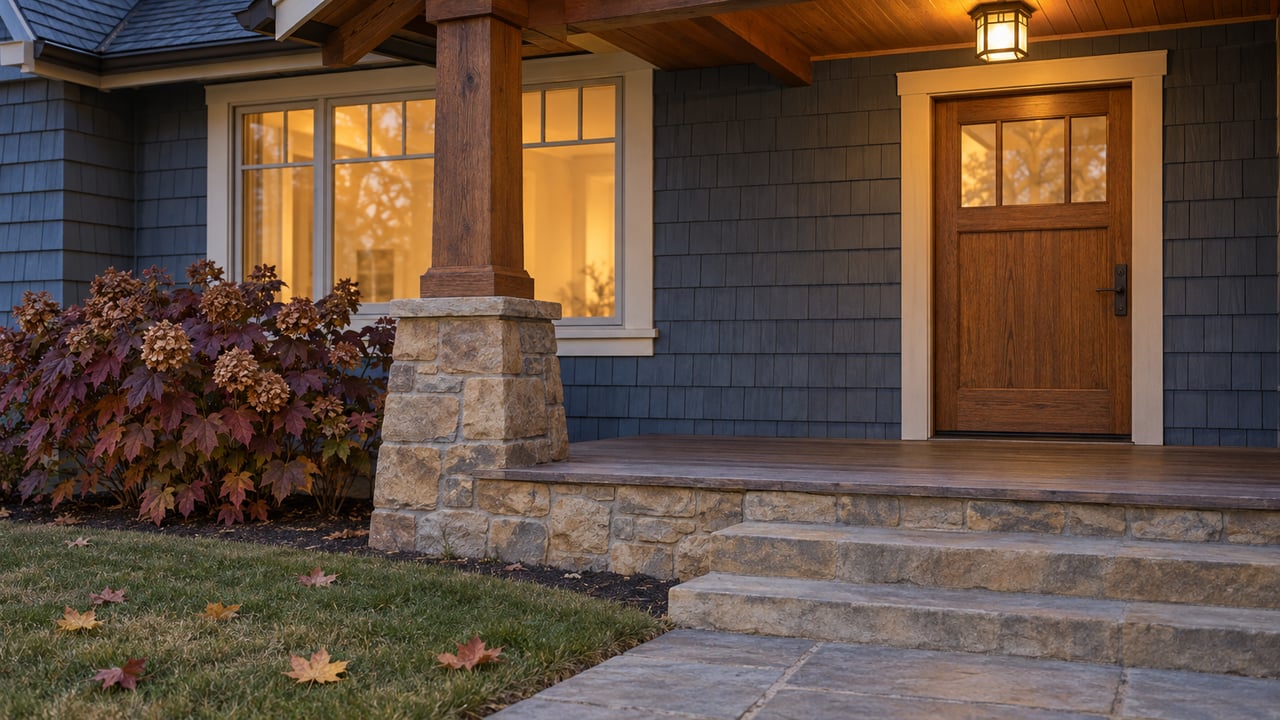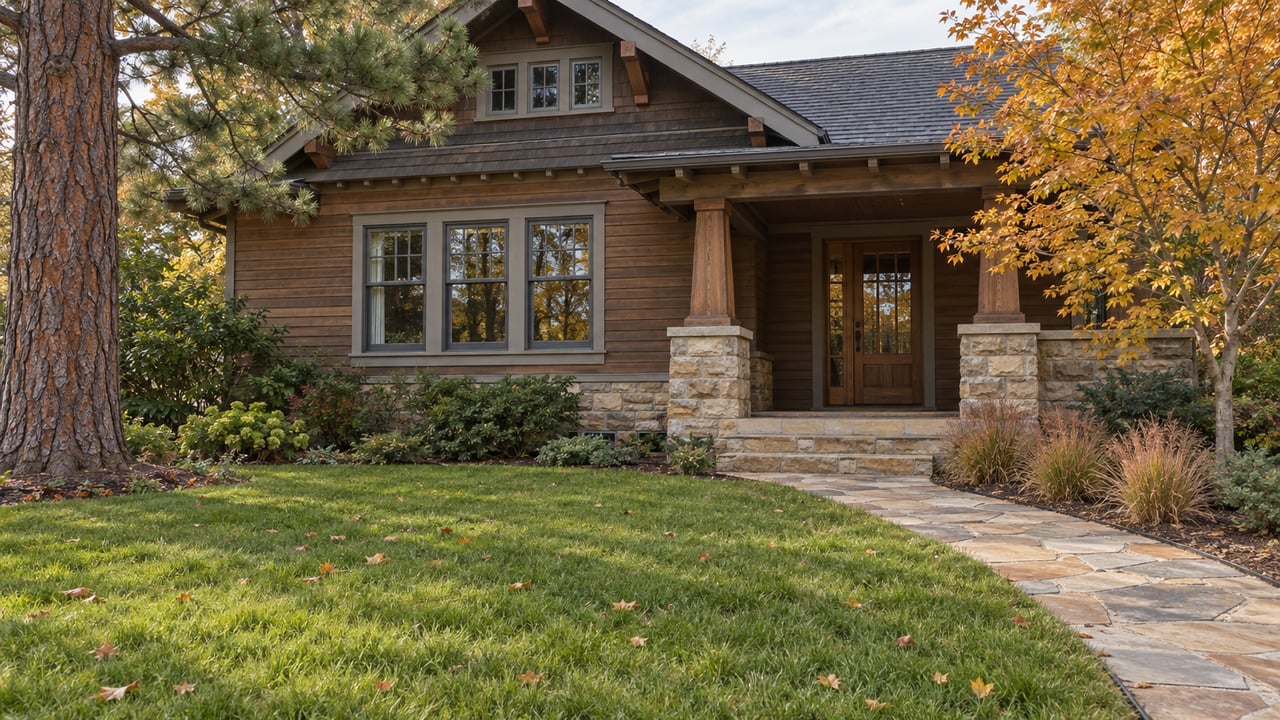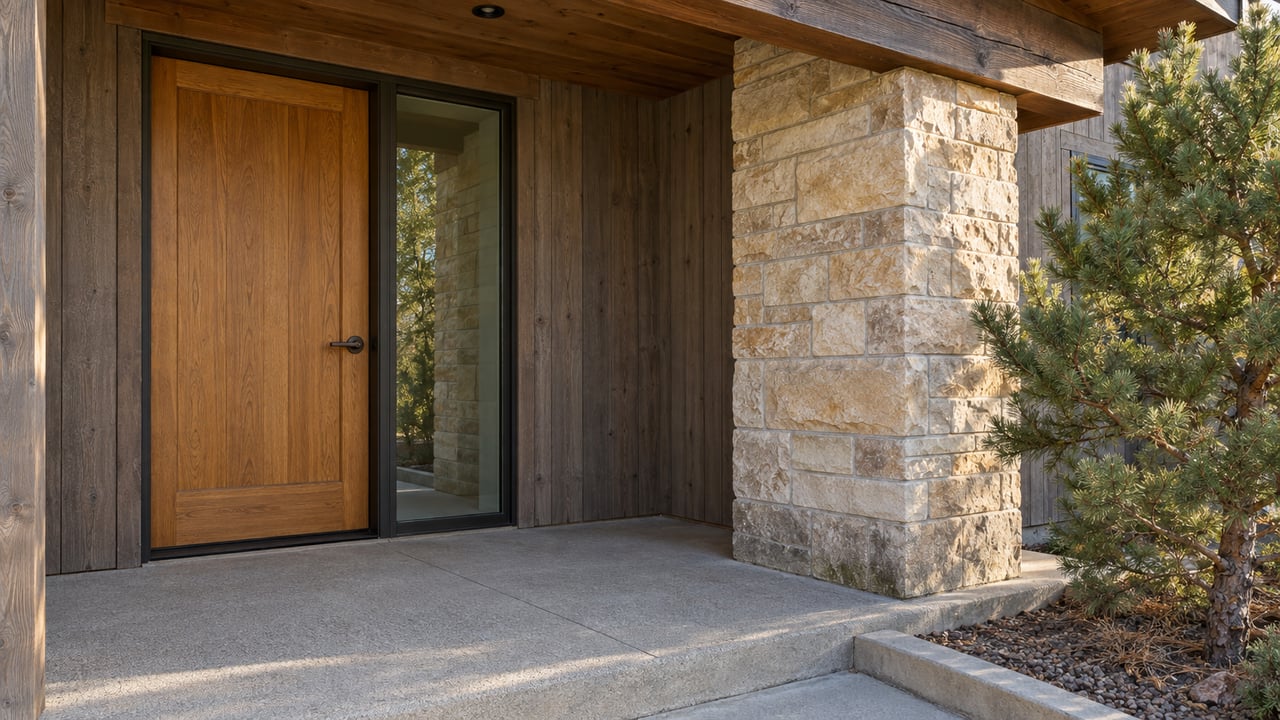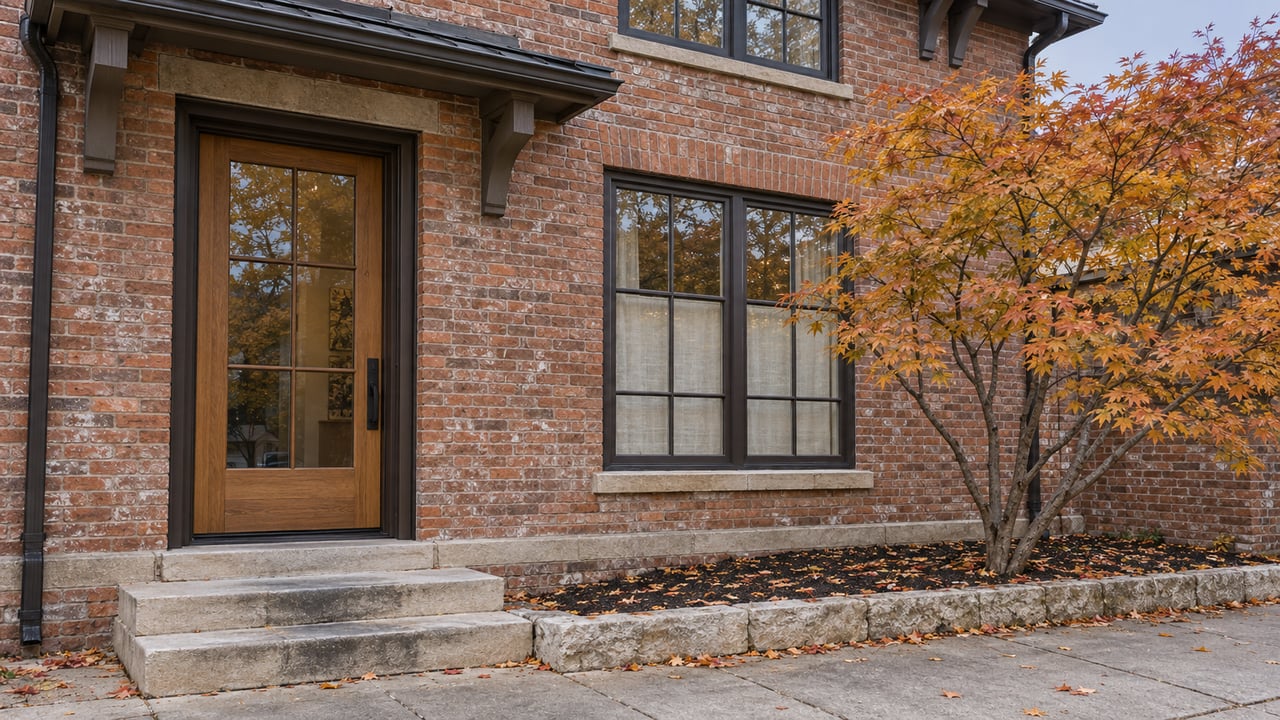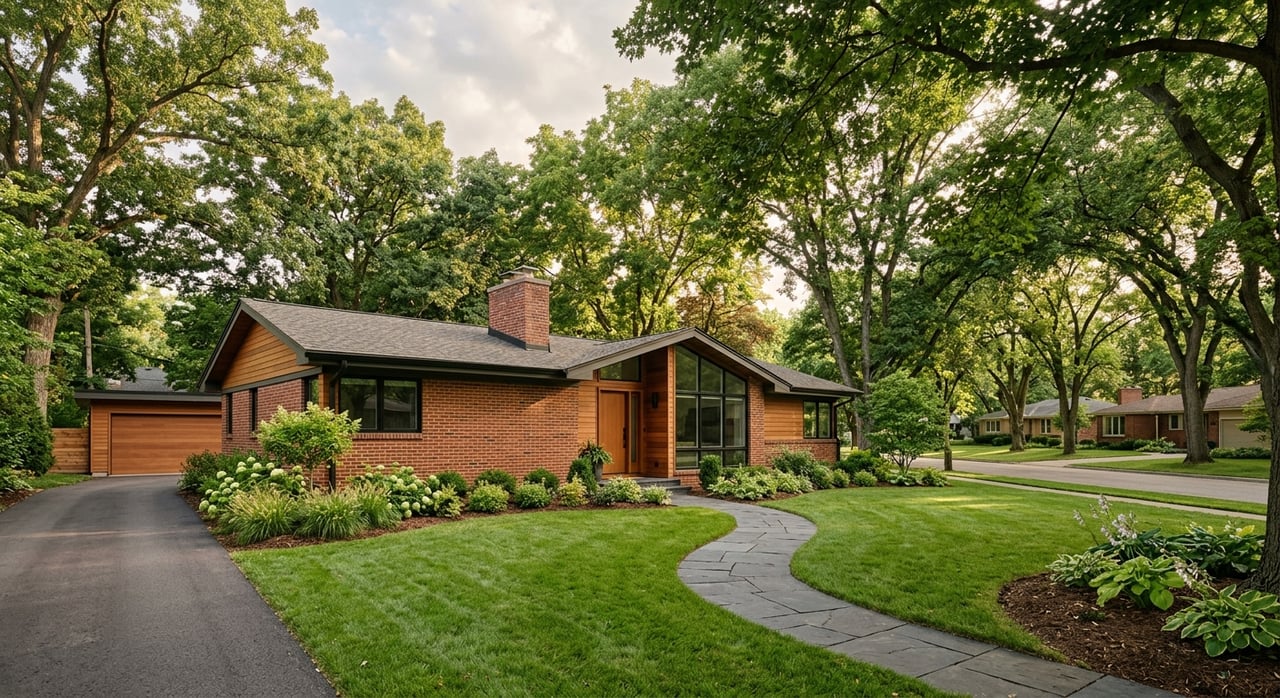
If you are choosing between a newer neighborhood and an established street in Lafayette, you are really choosing between two different ways of living. Some buyers want a more planned layout with trails, parks, and a clear neighborhood structure. Others want mature trees, older homes, and the kind of street grid that makes it easy to walk into Old Town. This guide will help you compare both so you can focus on the part of Lafayette that fits your priorities. Let’s dive in.
How Lafayette Neighborhoods Differ
Lafayette has a clear split between newer planned communities and the older blocks around Old Town. The older core follows the original 1889 town plat, while newer areas are often built as subdivision or PUD-style communities with shared amenities and multiple housing types.
That difference shapes everything from how the streets feel to how homes are arranged. In general, newer neighborhoods tend to be more amenity-centered, while established areas feel more organic and tied to the city’s earlier development pattern.
What Newer Builds Offer
Newer neighborhoods in Lafayette are often designed all at once, with homes, parks, trails, and open space planned together. If you like a neighborhood where the layout feels intentional and the community features are easy to spot, this style may appeal to you.
Many of these communities also include a wider mix of home types. Depending on the neighborhood, you may find single-family homes, townhomes, duplex-style options, apartments, or condo and loft-style residences.
40 North at a Glance
40 North is a proposed 78.69-acre community planned for 419 homes. The city describes a mix of large, medium, and cottage-style single-family lots along with townhomes and condo or loft units.
The plan also includes a community park, pocket parks, open space, and trails. That gives buyers a good example of how newer Lafayette neighborhoods are often built around shared amenities rather than just rows of homes.
Trails at Coal Creek Features
Trails at Coal Creek was approved as a 317-home single-family neighborhood. According to the city, 20.06 acres were dedicated to public open space, and another 17.48 acres were dedicated to HOA drainage and common open areas.
The development also includes planned public trails that connect into the regional Coal Creek trail system. For buyers who value outdoor access and a more trail-oriented daily routine, that kind of setup can be a major draw.
Willoughby Corner and Indian Peaks Area
Willoughby Corner is a 24-acre planned neighborhood with 400 permanently affordable homes in duplex, townhome, and apartment formats. The plan includes community gardens, a dog park, trails, and park space.
In the broader Indian Peaks area, city history also points to a more planned pattern tied to the former Beauprez farm and later neighborhood development around the golf course. That helps explain why this part of Lafayette often feels more open-space-focused and more uniformly planned than the city’s older blocks.
What Established Streets Offer
Established streets in Lafayette, especially around Old Town, have a very different feel. The city’s 1999 Old Town survey describes the area as covering about two-thirds of the original 1889 town plat and notes features like 40-foot-wide city lots, large trees, and wide quiet streets.
Old Town is also described as a walking town. Residents can go on foot to the theater, senior center, and shops on Public Road, which gives the area a more traditional downtown rhythm than many newer neighborhoods.
Old Town Character and Home Style
Old Town’s architecture is mostly vernacular, with small miners’ dwellings, woodframe false-front buildings, and later bungalow and Tudor examples. City design materials also emphasize street-facing entrances, porches, alley garages where alleys exist, and additions that stay secondary to the original house form.
For buyers, that often means more visual variety from block to block. You may see homes with different scales, eras, and exterior details rather than the more consistent look common in newer planned communities.
Old Town Rules to Know
Old Town also comes with its own city review standards. The current overlay includes a 7,000-square-foot minimum lot area for single-family homes, a 24-foot maximum building height, and 30% maximum lot coverage.
Projects such as additions, duplexes, garages, ADUs, and other accessory structures require Old Town-specific permit review. Demolitions of buildings that are 50 years old or older are reviewed by the city’s Historic Preservation Board Review Team.
Walkability Looks Different Here
When buyers say they want a walkable neighborhood in Lafayette, it helps to get specific. Old Town offers walkability tied to downtown businesses and civic spaces, especially along Public Road and Simpson Street, where the city notes a concentration of restaurants, boutiques, galleries, parks, and civic uses.
Newer neighborhoods often offer a different kind of movement pattern. Instead of walking to a traditional downtown block, you may be using neighborhood trails and open-space connections to get around or spend time outdoors.
Trails and Outdoor Connections
Lafayette’s trail network is about 20 miles long and connects neighborhoods, businesses, and other destinations. Examples named by the city include the Waneka Lake Trail and segments of the Coal Creek and Rock Creek Regional Trail systems.
That means newer neighborhoods can still support an active lifestyle, even if the experience is not the same as living close to Old Town. For some buyers, trail access matters more than a classic downtown grid.
Maintenance and Planning Considerations
The choice between newer and older areas also affects how you think about upkeep and future projects. In newer planned neighborhoods, part of the maintenance structure may be shifted into HOA or common-area systems, based on how the community was set up.
In Old Town and other established areas, buyers may need to plan more carefully for permit review, especially when remodeling older homes. If a property falls under Old Town rules or historic review, that can shape your timeline and renovation approach.
Not Every Lafayette Address Follows the Same Rules
One of the most important details for buyers is that Lafayette neighborhoods do not all follow one standard playbook. The city notes that developments built since 1990 may have alternate setbacks.
That means you should verify lot standards, setbacks, HOA details, and design rules by address rather than assume they are the same across a neighborhood name. This is especially important if you are comparing a remodel opportunity in an established area with a home in a more recently planned community.
Which Type of Neighborhood Fits You?
If you want a more predictable neighborhood plan, newer communities may be the clearer fit. The homes, open space, trails, and community features are often designed together from the beginning, which can create a more consistent day-to-day feel.
If you are drawn to mature trees, a smaller-scale street pattern, and easy access to Old Town, established streets may line up better with your goals. The best choice usually comes down to how you want to live, not just the age of the home.
A thoughtful home search in Lafayette often starts by narrowing your lifestyle priorities first. Once you know whether you value trail connections, downtown access, neighborhood uniformity, historic character, or renovation flexibility, the right areas become much easier to identify.
If you want help comparing specific Lafayette addresses, neighborhood patterns, or remodel potential, Kristin Kalush can help you sort through the details and build a smart plan for your move.
FAQs
How do newer Lafayette neighborhoods usually differ from Old Town Lafayette?
- Newer Lafayette neighborhoods are typically planned communities with parks, trails, open space, and multiple home types, while Old Town follows the original 1889 street grid and is known for mature trees, wide quiet streets, and a walk-to-downtown layout.
What is planned for the 40 North neighborhood in Lafayette?
- The city describes 40 North as a 78.69-acre proposal with 419 homes, including several single-family lot sizes plus townhomes and condo or loft units, along with a community park, pocket parks, open space, and trails.
What should buyers know about Trails at Coal Creek in Lafayette?
- Trails at Coal Creek was approved as a 317-home single-family neighborhood with 20.06 acres of public open space, 17.48 acres of HOA drainage and common areas, and planned public trails connecting to the regional Coal Creek trail system.
What rules apply to homes in Old Town Lafayette?
- Old Town has city-specific standards that include a 7,000-square-foot minimum lot area for single-family homes, a 24-foot maximum building height, and 30% maximum lot coverage, and certain projects require Old Town permit review.
Is Lafayette more walkable in Old Town or in newer neighborhoods?
- Old Town is more oriented to walking to downtown businesses and civic spaces, while newer neighborhoods are often more trail-oriented and tied into Lafayette’s broader trail network.
Should you verify zoning and setback rules for a Lafayette home by address?
- Yes. The city notes that developments built since 1990 may have alternate setbacks, so lot standards, design rules, and HOA details should be confirmed by address rather than assumed by neighborhood name alone.