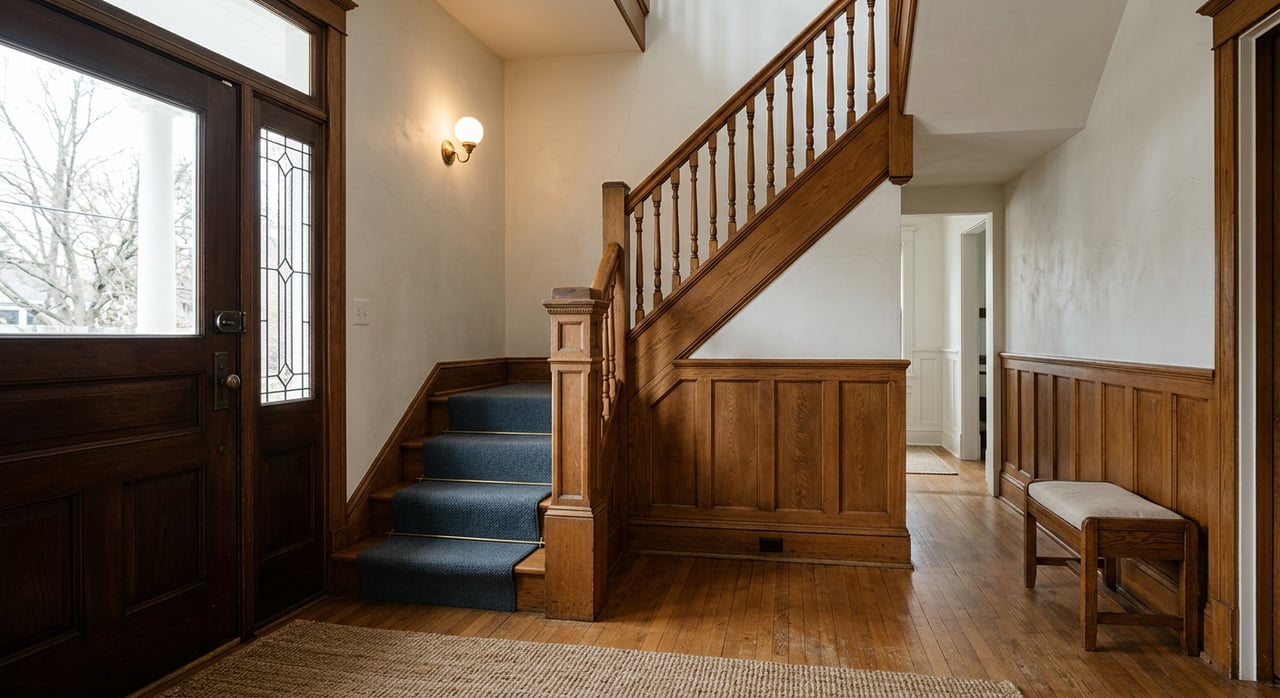
Imagine waking up in a home that tells Boulder’s story through its woodwork, windows and walkable setting. Buying in Mapleton Hill is a chance to steward a piece of local history, but it comes with rules, timelines and inspections that differ from a typical purchase. In this guide, you’ll learn how the district works, what to inspect, how to plan renovations and which financing paths fit historic homes. You’ll also get a clear step-by-step so you can move forward with confidence. Let’s dive in.
Know the district and its rules
Before you fall in love with a porch or gable, confirm the address sits inside the Mapleton Hill Historic District boundary. The City of Boulder maintains a district map and description that identify contributing properties and the exact boundary lines. Review the official map and verify status with City staff so you understand what reviews will apply to your plans. You can find the district map in the City’s Mapleton Hill documentation.
- Check the official boundary map and description in the City’s Mapleton Hill district file: Mapleton Hill district description and map
What designation means for your plans
Mapleton Hill is a locally designated historic district governed by Boulder’s Landmark Preservation program. Any exterior change that is visible from the street generally requires review through a Landmark Alteration Certificate, often called an LAC. That includes additions, re-roofing visible areas, repainting visible facades, fences, site work, visible mechanical equipment and many solar installations.
- Learn how the City applies the Secretary of the Interior’s Standards and see district guidance here: Boulder historic guidelines for landmarks and districts
How the Landmark Alteration Certificate works
An LAC ensures exterior work meets the City’s preservation standards and Mapleton Hill’s design guidelines. Smaller items may be approved by staff or the Landmarks Design Review Committee in about 2 to 4 weeks if your submittal is complete. Bigger projects can go to the Landmarks Board, which can take 6 weeks to 3 months and may require multiple rounds of review.
LAC approvals are typically valid for about a year. If you do not finalize a building permit within that window, you will need a new LAC. Pre-application calls with City preservation staff can shorten review time, and the LAC process itself does not carry a City fee.
- See categories, timelines and submittal requirements: Landmark Alteration Certificate application and review
Due diligence checklist for historic homes
A standard home inspection is not enough for Mapleton Hill. Add specialists who understand older systems and local review. Use this checklist to target the biggest risk items.
Electrical and insurance alignment
Look for knob-and-tube wiring, cloth-insulated conductors and undersized fuse boxes or obsolete panels. Many insurers flag these systems and may charge higher premiums or require upgrades. Have a licensed electrician document conditions and provide a cost estimate for a full or staged rewire so you can price risk and plan coverage.
- Why insurers care about older systems: Insurance considerations for old homes
Plumbing and sewer lateral
Older supply lines and sewer laterals can be costly surprises. Order a sewer-camera inspection to check for cast-iron deterioration, clay-line cracks or root intrusion. A lateral replacement can be a five-figure expense, so verify the line before you waive contingencies.
- Why a sewer scope matters: Sewer scope inspection guide
Roof, drainage and foundations
Historic homes often have localized water intrusion, aging flashing or historic-material roofs. Confirm roof age, flashing details and how water moves away from the foundation. For sites with slopes and retaining walls, pay attention to stone and retaining systems identified in Mapleton Hill’s district documents.
- District context for site features: Mapleton Hill district description and map
Windows, doors and character-defining features
Boulder’s review focuses on visible elevations. The National Park Service recommends repairing historic wood windows when feasible, often paired with storm windows or targeted weatherization to improve comfort. If you propose replacing windows visible from the street, expect careful review and be prepared to show why repair is not possible.
- Techniques for repair and energy gains: NPS Preservation Brief 9 on wood windows
Lead-based paint and asbestos
If the home was built before 1978, federal law requires the seller to provide lead-hazard information and a disclosure form. Use your inspection window to test for lead and plan for EPA-certified contractors if you will disturb painted surfaces. Asbestos may also exist in older materials such as pipe insulation or certain floor tiles, so test suspect areas and budget for licensed abatement if needed.
- Know your rights and required disclosures: EPA lead disclosure rules for real estate
Radon, HVAC and energy upgrades
Test for radon during the inspection period and plan mitigation if levels are elevated. When modernizing HVAC or improving efficiency, prioritize minimally invasive measures that avoid damaging historic fabric. The NPS offers guidance on weatherization that pairs well with City review.
- Practical, low-impact energy upgrades: NPS weatherization guidance
Structural review and pests
For homes with visible settlement, rotted sills or masonry foundations, bring in a structural engineer familiar with historic construction. Porch framing, boxed eaves and sill plates can hide decay. Early identification helps you set scope, budget and sequencing.
Renovation strategy that passes review
Design to the Standards
Boulder applies the Secretary of the Interior’s Standards alongside Mapleton Hill’s district guidelines. In practice, that means repair rather than replace when feasible, and matching design, scale, material and texture when replacement is warranted. New additions should be distinguishable yet compatible, and placed to minimize impacts on character-defining facades.
- How the City interprets the Standards: Boulder historic guidelines for landmarks and districts
Modern systems and everyday comfort
Heat-pump conversions, targeted ducting, and attic or floor insulation can make a historic home comfortable and efficient. Document how equipment will be sited and screened on visible elevations to ease LAC review. Pair energy upgrades with window repair and storms to keep historic fabric intact.
- Energy strategies that respect historic fabric: NPS weatherization guidance
Solar, ADUs and larger additions
Solar arrays and ADUs are possible in Mapleton Hill, but siting and visibility drive review outcomes. Provide panel specifications, mounting details and visibility studies with your LAC application. For larger additions, expect a higher level of scrutiny and potential Board hearings, so build that time into your schedule.
- Application steps and documentation: Landmark Alteration Certificate application and review
Financing, insurance and incentives
Renovation loans that bundle costs
If you plan significant updates, consider a renovation loan that wraps purchase and construction into one mortgage. FHA 203(k) offers Limited and Standard versions for owner-occupants, each with specific scopes and consultant requirements. Fannie Mae’s HomeStyle Renovation is a conventional option that can finance a wide range of projects based on the as-completed value.
- Program overview for buyers: FHA 203(k) consumer guide
- Conventional renovation option: Fannie Mae HomeStyle Renovation
Insurance realities and timing
Older systems can trigger underwriting hurdles. Some carriers require remediation of knob-and-tube wiring or old roofs, and a few may decline coverage entirely until upgrades are complete. Contact insurers early in escrow to secure a preliminary quote or a letter of insurability and to understand any conditions tied to closing.
- What underwriters look for in old homes: Insurance considerations for old homes
Tax credits and what applies
The federal 20 percent Historic Rehabilitation Tax Credit targets certified rehabilitations of income-producing historic properties. It usually does not apply to an owner-occupied primary residence. Colorado’s Commercial Historic Preservation Tax Credit also targets income-producing or owner-occupied commercial properties, so contact the program early if your project might qualify, and apply before starting any qualifying work.
- Federal program basics and limits: Historic rehabilitation tax credit summary
- Colorado state credit details: Colorado Commercial Historic Preservation Tax Credit
Smart sequencing for a smooth close
- Verify the address is within the Mapleton Hill district using the City’s map and confirm with staff.
- Request the property’s LAC and permit history from the seller and the City.
- Schedule specialized inspections and testing, including electrical, sewer scope, and environmental checks.
- Hold a pre-application call with City preservation staff to align on your renovation concept.
- Gather contractor bids and timelines if you plan to use a renovation loan.
- Submit your LAC early and coordinate timing with building permits and loan draws.
- Apply for any state incentives before work begins and build a buffer for LAC review, especially for visible exterior changes.
Your local team and first calls
- Preservation-minded architect or architectural historian to shape scope and prepare LAC materials.
- General contractor with historic trades experience, plus licensed electrician and plumber.
- Certified lead and asbestos professionals for testing and any needed remediation.
- Structural engineer with historic expertise for homes showing settlement or wood decay.
- City of Boulder Historic Preservation staff to verify designation, retrieve prior LACs and confirm submittal needs. Contact [email protected] or 303-441-3209. Start here: Boulder historic guidelines for landmarks and districts
Final thoughts
Buying in Mapleton Hill is both a lifestyle choice and a stewardship opportunity. With the right due diligence, a clear renovation plan and early coordination with the City, you can protect the home’s character while tailoring it to how you live. If you want a partner who understands the district, the process and the vendors who make it work, we are here to help.
Have questions or want to map out a purchase and renovation plan in Mapleton Hill? Reach out to Kristin Kalush for a friendly, no-pressure conversation about your goals.
FAQs
What projects need City approval in Mapleton Hill?
- Most exterior changes visible from the street, including additions, visible re-roofing, repainting visible facades, fences, site work, visible mechanical equipment and many solar installations, require a Landmark Alteration Certificate through the City’s preservation program.
Can I modernize the interior of a Mapleton Hill home?
- Yes. Interior modernization is commonly permitted. Coordinate any new vents, penetrations or mechanical equipment so they do not impact character-defining exterior elevations visible from the public right of way.
Will I be allowed to replace original windows in Mapleton Hill?
- The City and NPS generally prefer repair of historic wood windows. Replacements that are visible from the street are reviewed carefully and are approved when repair is not feasible, often after exploring storm windows or targeted weatherization.
How long does an LAC review usually take in Boulder?
- Staff-level or Landmarks Design Review Committee decisions often take about 2 to 4 weeks per review round if complete. Projects that go to the Landmarks Board can take 6 weeks to 3 months and may involve multiple iterations.
Are there tax credits for an owner-occupied Mapleton Hill home?
- The federal 20 percent historic rehabilitation credit and Colorado’s commercial historic credit target income-producing or commercial properties, not most owner-occupied single-family homes. Contact the state program early if a portion of your property might qualify.
Can I get a mortgage if the house has knob-and-tube wiring?
- It depends on the lender and insurer. Some will require remediation before or shortly after closing, so confirm financing and insurability early and plan for electrical upgrades if needed.