If you are thinking about selling in South Boulder, timing matters, but strategy matters just as much. This pocket of Boulder continues to draw steady buyer interest, yet it is not a market where you can simply list and hope for the best. When you understand how pricing, preparation, and launch timing work together, you put yourself in a much stronger position to sell with confidence. Let’s dive in.
Why South Boulder Stands Out
South Boulder is an established part of the city with roots that go back largely to the 1950s and 1960s. Long-standing areas such as Martin Acres and Table Mesa North and South, along with access to parks, trailheads, and the Table Mesa retail area, help explain why buyers continue to focus here.
The broader Boulder setting also adds to demand. Open space, trail access, major employers such as NIST and NCAR, CU Boulder, and a large business base all support ongoing interest from local movers and relocating professionals. For sellers, that means your home may already have a strong location story, but you still need the right plan to turn interest into offers.
What the South Boulder Market Looks Like
Recent South Boulder data points to a market that is desirable, but measured. Redfin reported a median sale price of $882,203 in May 2026, about 38 days on market, and a 97.8% sale-to-list ratio.
That same report showed about one offer on average, with 20% of homes selling above list and 28.9% seeing price drops. In other words, buyers are active, but they are not ignoring price or condition. The homes that stand out tend to be the ones that are well presented and well priced from the start.
Compared with Boulder citywide and Boulder County, South Boulder remains competitive, but not frenzied. That creates opportunity for sellers who prepare carefully and launch with intention rather than rushing to market.
Why Timing Still Matters
National timing studies continue to point to spring as the strongest selling season. Zillow’s March 2026 analysis found that late spring performed best nationally, and Realtor.com identified mid-April as a strong listing window.
At the local level, Boulder market trackers suggest the same broad pattern, but with an important caveat. A spring debut works best only when your home is fully ready, professionally photographed, and priced against the latest comparable sales. If you hit the calendar but miss on preparation, you can lose momentum quickly.
That is why the best timing is not just a month on the calendar. It is the point when buyer demand, home readiness, and pricing discipline line up.
When to Start Preparing
If you hope to list in spring, the work usually begins months earlier. For many sellers, a 6 to 18 month runway gives you enough time to sort through repairs, improvements, staging decisions, and vendor scheduling without feeling rushed.
This is especially useful in South Boulder, where much of the housing stock dates to the 1950s and 1960s. Buyers often pay close attention to visible condition, system updates, and signs that the home has been thoughtfully maintained over time.
A longer runway also gives you space to make smart choices instead of expensive ones. You do not need to renovate everything. You need to focus on the updates that improve first impressions and reduce buyer hesitation.
What to Fix Before Listing
For many South Boulder homes, the goal is polish, not over-improvement. Staging research from 2025 found that many agents saw staging help buyers visualize a home more easily, reduce time on market, and sometimes increase the dollar value offered.
That is why a staging-first mindset often makes sense here. Simple, visible improvements can have a real effect on buyer response.
Focus on High-Impact Updates
Prioritize updates that make the home feel clean, bright, and well cared for:
- Decluttering and editing furniture
- Interior paint touch-ups or full repainting where needed
- Updated lighting or brighter bulbs
- Flooring repairs or refinishing
- Minor hardware and fixture updates
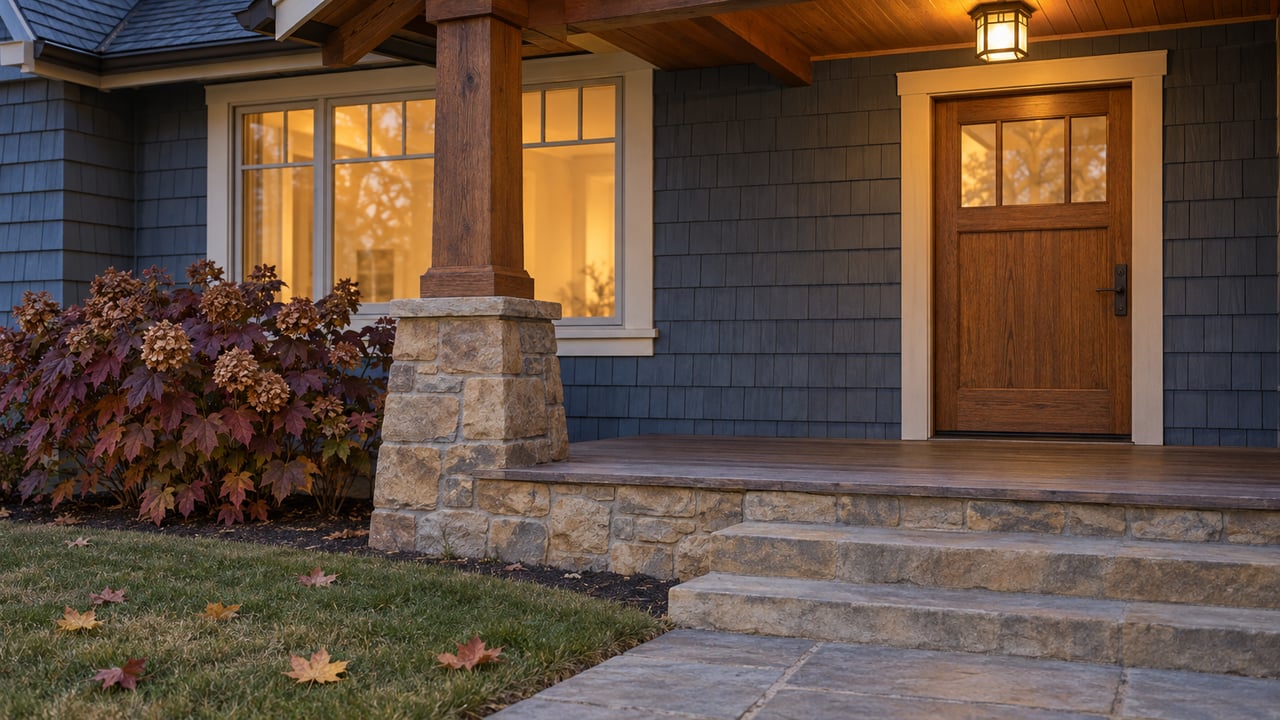
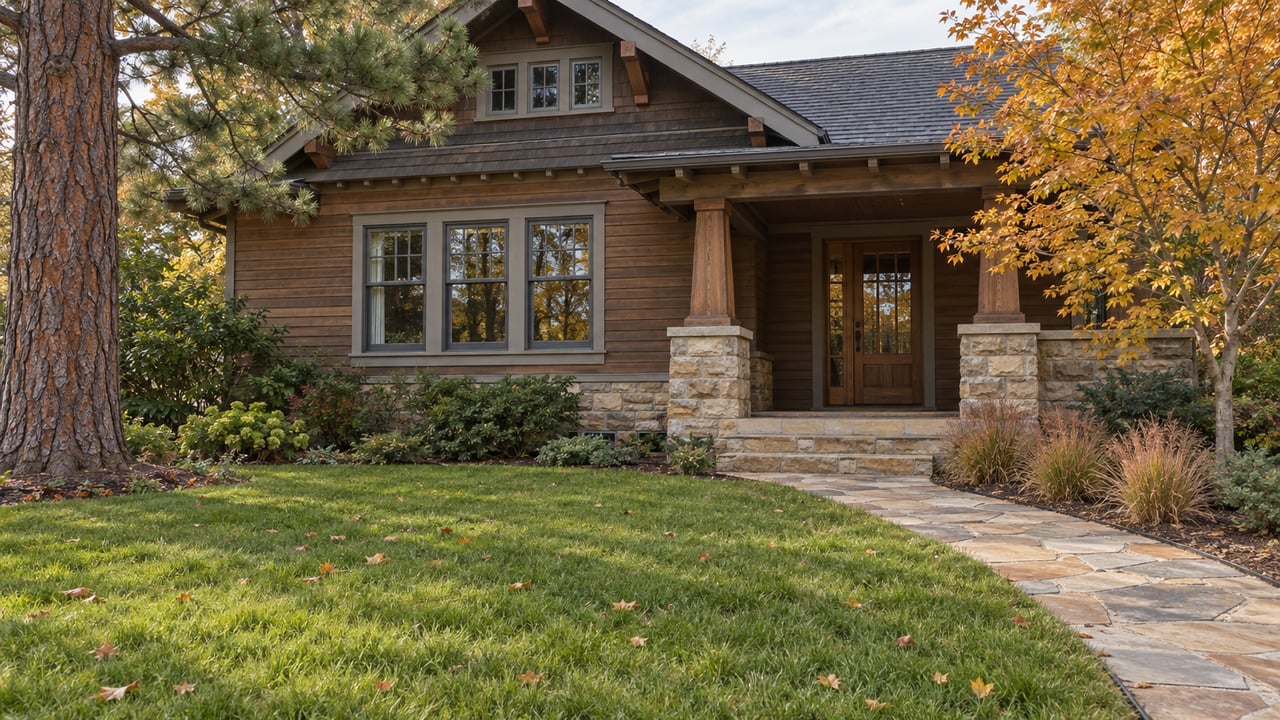
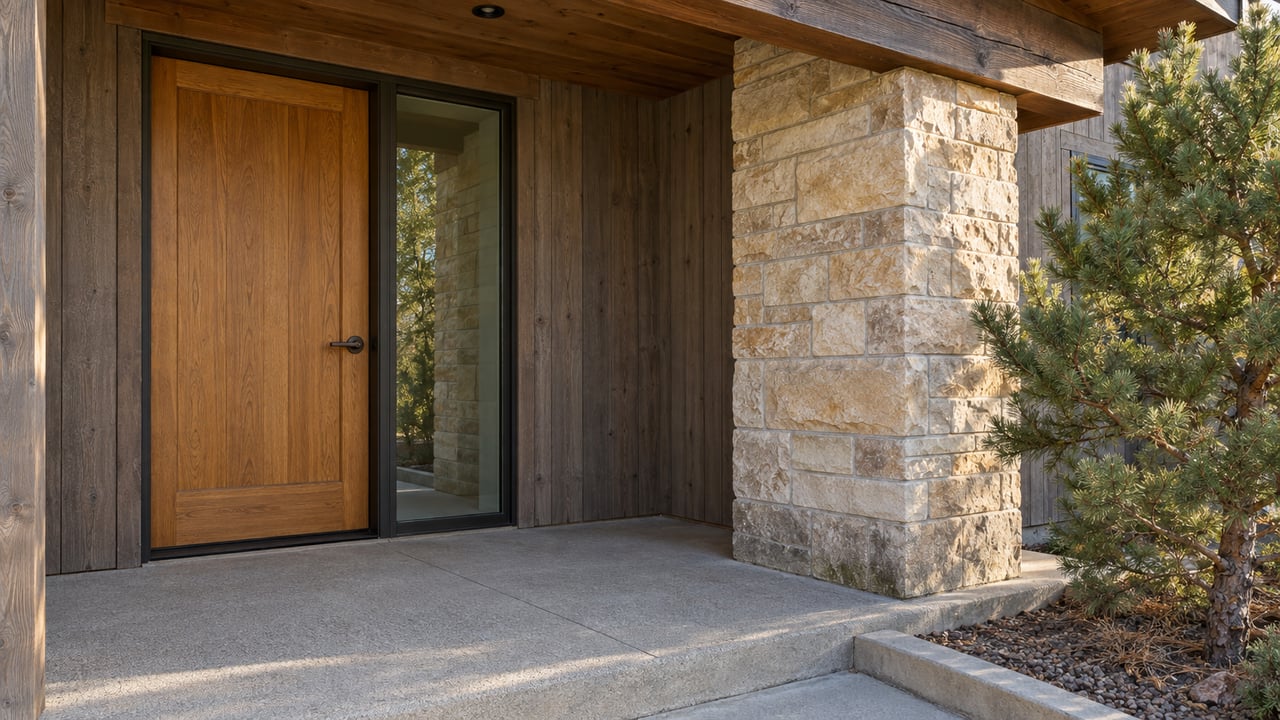
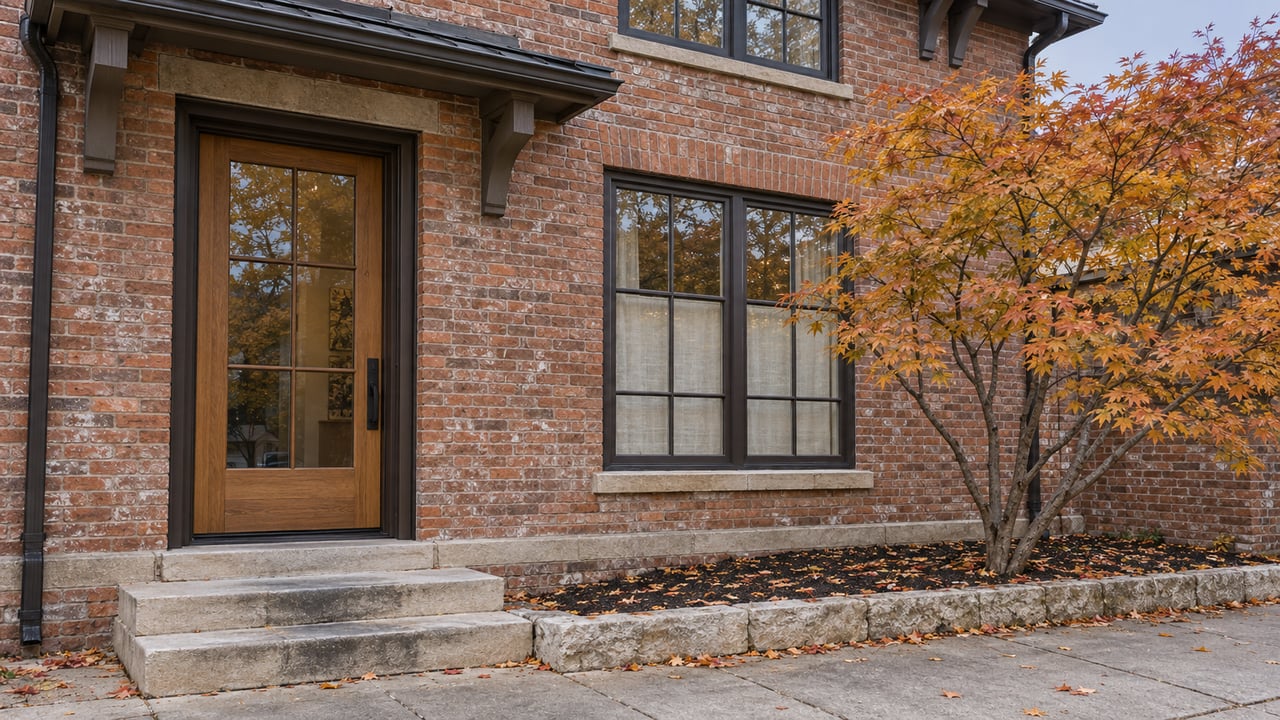
- Landscaping and front entry improvements
These are often the changes that help an older home feel fresh without taking on a full remodel. Buyers notice presentation, and they also notice deferred maintenance.
Keep Records Organized
Boulder County’s Assessor values property using factors such as size, age, condition, location, remodels, quality, and lot size. The county also revalues properties in odd-numbered years and mails Notices of Valuation around May 1, with appeals accepted from May 1 through June 8.
For sellers, this is a good reminder to keep records of improvements, permits, and repair work. Clean documentation can help support your pricing story and answer buyer questions with more clarity.
Price With Discipline
One of the biggest mistakes in a balanced or somewhat competitive market is treating asking price like a test. South Boulder data shows that price drops are not rare, and homes do not automatically command above-list offers just because demand exists.
A smart pricing strategy starts with sold comparable homes, not wishful thinking. It also takes current competition into account, including how your home compares in condition, updates, lot appeal, and overall presentation.
Why Overpricing Can Cost You
When a home launches too high, buyers may skip it in the first place or wait to see if the price comes down. That can lead to a slower start, more days on market, and less leverage when offers do arrive.
In South Boulder, where hot homes can sell around list in about 19 days but the broader pace is closer to 38 days, the first few weeks matter. A strong launch can create urgency. A stale listing can do the opposite.
Use Marketing in the Right Sequence
A clean selling strategy follows a clear order. In South Boulder, that usually means pricing from sold comps, finishing repairs and staging, photographing the home at its best, and then choosing how to introduce it to the market.
That sequence fits a market that moves steadily but still rewards thoughtful execution. You want buyers to see the home for the first time when it is truly ready.
Consider Pre-Marketing Carefully
Compass offers options such as Private Exclusive and Coming Soon before a public launch, along with tools through Compass One and Compass Concierge. For some sellers, this can be useful when you want flexibility, extra preparation time, or early feedback while preserving public days on market.
At the same time, Compass also notes a real tradeoff with off-MLS pre-marketing. It can build early demand, but it can also reduce the total number of buyers who see the property and may affect the final sale price. That is why pre-marketing works best when it supports a specific goal, not as a default step.
Use Concierge Support Strategically
Compass Concierge can front the cost of services such as staging, flooring, and painting with no payment due until closing. For some South Boulder sellers, that can make it easier to complete the kinds of updates that improve presentation before going live.
For a home that needs light cosmetic work, this kind of support can help you avoid listing too early or skipping improvements that matter to buyers. The key is to stay targeted and invest in changes that help the home show better in person and online.
Address Local Property Factors Early
In some parts of South Boulder, location-specific considerations may come up during the sale process. Homes near open space or drainageways may prompt questions about wildfire mitigation, defensible space, or flood-related context.
Boulder County’s wildfire mitigation program promotes home hardening and defensible space, and the City of Boulder’s South Boulder Creek flood mitigation project is designed to protect an area affecting 2,300 community members and 260 structures. If your property is affected by these conversations, it helps to prepare clear, factual information early.
This does not mean the home is less marketable. It means buyers may want context, and sellers are better served when they are ready for those questions instead of reacting to them later.
Treat Disclosure as Part of the Plan
Disclosure should never be an afterthought. Colorado’s current approved real estate forms include the Exclusive Right to Sell Listing Contract and the Seller’s Property Disclosure for residential property, both in use on or after January 1, 2026.
The practical takeaway is simple: build disclosure into your preparation timeline from the beginning. When you gather records, repairs, system information, and known property details early, the listing process tends to feel smoother and more transparent.
A Smart South Boulder Selling Plan
If you want a practical roadmap, keep it simple. The most effective sellers usually follow a process that protects both presentation and timing.
Your Step-by-Step Approach
- Review recent sold comps and current competition.
- Decide on a realistic target launch window, ideally with spring in mind.
- Tackle repairs and cosmetic updates that improve first impressions.
- Organize permits, receipts, and property records.
- Complete staging and professional photography.
- Consider whether pre-marketing serves a specific purpose.
- Launch publicly when the home is fully ready.
- Stay responsive during showings, feedback, and negotiation.
This kind of disciplined approach is often what separates a smooth sale from a stressful one. In a market like South Boulder, details matter.
If you are planning a move, the right guidance can help you decide what to improve, when to list, and how to position your home for today’s buyers. When you are ready to map out a smart selling strategy for South Boulder, start with Kristin Kalush.
FAQs
How long does it take to sell a home in South Boulder?
- Recent Redfin data showed South Boulder homes taking about 38 days on market on average, though highly appealing homes can move faster.
When is the best time to list a home in South Boulder?
- Spring is often the strongest window, but the best launch date is when your home is fully prepared, photographed, and priced against current comparable sales.
What updates matter most before selling a South Boulder home?
- In many cases, the highest-impact updates are decluttering, paint, lighting, flooring touch-ups, and curb appeal rather than a full renovation.
Should you price a South Boulder home high to leave room to negotiate?
- South Boulder data suggests pricing discipline matters, since a notable share of homes see price drops and buyers are paying attention to value and condition.
What disclosures are needed when selling a home in Colorado?
- Colorado uses current Commission-approved forms, including the Seller’s Property Disclosure for residential property, so disclosure should be handled as a routine part of the selling process.
Should you pre-market a South Boulder home before going public?
- Pre-marketing can be helpful in some cases, but it should be used for a clear reason because off-MLS exposure may limit how many buyers see the property.