Looking for a Boulder neighborhood where daily life feels a little easier? South Boulder stands out because many of the places families use most are close together, from parks and trails to a recreation center and established residential streets. If you are weighing whether South Boulder fits your next move, this guide will help you understand the school pathway, outdoor access, housing options, and what to expect as a buyer. Let’s dive in.
Why South Boulder Works for Families
South Boulder appeals to many buyers because the area supports an active, practical routine. The City of Boulder describes the South Boulder Recreation Center as a neighborhood center with a pool, basketball, pickleball, volleyball, and RTD access. That mix can make everyday logistics simpler when you want recreation close to home.
The area also offers a strong cluster of nearby outdoor spaces. Harlow Platts Community Park includes a playground, Viele Lake, a disc golf course, tennis courts, picnic space, and a 0.7-mile lake loop. Martin Park adds another playground, open turf, tennis courts, and a creekside setting.
Taken together, these amenities create a lifestyle that feels connected and outdoors-oriented. Instead of driving across town for every activity, you may find that many of your regular destinations are already built into the neighborhood.
Schools in South Boulder
For many buyers, schools are one of the first questions that come up. In South Boulder, the most commonly associated school pathway is Mesa Elementary, Southern Hills Middle, and Fairview High. These schools form the K-12 sequence many people picture when they think about this part of Boulder.
Mesa Elementary is a K-5 neighborhood school in south Boulder with an academic focus that integrates arts and athletics. Southern Hills Middle is a neighborhood middle school in South Boulder that offers accelerated classes in math, language arts, and foreign language. Fairview High is known for a broad college-prep curriculum and extensive extracurriculars.
That said, it is important to verify school assignment by exact address. Boulder Valley School District states that every Boulder Valley address has an assigned neighborhood school, and families should use the district’s School Finder to confirm it. The district also notes that attendance boundaries are reviewed on a five-year cycle beginning in 2025.
Why address-level school verification matters
Buyers should not rely on neighborhood reputation alone when it comes to enrollment. According to BVSD, current boundary work includes South Boulder-adjacent Creekside and Bear Creek clean-up items for 2026-27. That means even in a well-known area, the best practice is to confirm the assigned school for the specific property you are considering.
Choice enrollment is also separate from neighborhood enrollment. If schools are a major part of your home search, it helps to verify boundaries early so you can search with better clarity and fewer surprises.
Parks and Outdoor Access
One of South Boulder’s biggest strengths is how easy it is to get outside. You do not have to plan a full-day outing to enjoy the area. Many of the parks and trail connections support a shorter, lower-effort routine that still feels very Boulder.
South Boulder Creek Trail is 3.4 miles and rated easy to medium. The City of Boulder describes it as mobility-friendly and open to hikers, dogs, bikers, and horses on most of the route. It also runs under South Boulder Road via an underpass, which can make access more convenient.
South Fork Shanahan is another local option. This trail is 1.8 miles, rated easy to medium, and connects to the Mesa Trail through the Shanahan Connector. For many buyers, that kind of nearby trail access becomes part of the neighborhood’s daily value, not just a weekend perk.
South Mesa Trailhead and weekend planning
South Mesa Trailhead is one of the area’s major outdoor access points. The city says it is very popular, fills quickly on weekends, includes restrooms and picnic tables, and provides access to many trails with varying difficulty levels. If you picture your household hiking often, this is a meaningful feature of living nearby.
For less structured outdoor time, Harlow Platts and Martin Park help bridge the gap between a park day and a trail day. That balance is part of what makes South Boulder appealing to households that want choices close to home.
Homes in South Boulder
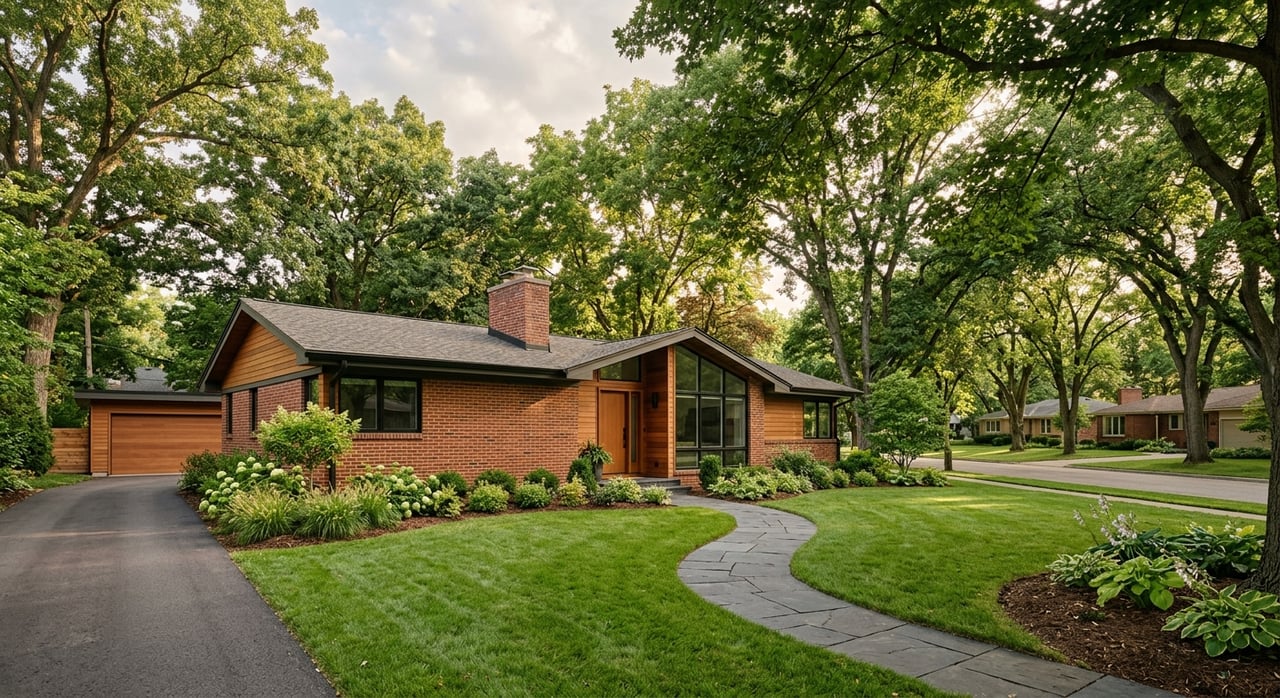
South Boulder housing is mostly established rather than newly built. The city’s historic survey says the Table Mesa subdivision contains 1,270 residential houses built between 1958 and 1967. In Martin Acres, the most common original housing forms are split-level and simple ranch houses with hipped or side-gabled roofs.
For you as a buyer, that usually means a neighborhood with mid-century and late-mid-century homes, original footprints, and a mix of renovation levels. Some homes may be extensively updated, while others may offer room for future improvements. Lot sizes and home layouts can also feel different from newer suburban construction.
South Boulder is not limited to detached homes. Current inventory confirms that condos and townhome-style options are also part of the housing mix. That gives buyers more flexibility, especially if you want South Boulder access at a different price point or with a lower-maintenance setup.
What buyers should expect from the housing stock
If you are searching here, it helps to stay flexible on condition and layout. Many homes were built decades ago, so finishes, floor plans, and systems can vary widely from one property to the next. In an established neighborhood like this, location and access often matter just as much as whether every detail has already been updated.
This is also a place where renovation potential can matter. Buyers who are open to improving an older home may find opportunities, while buyers who prefer turnkey living may need to move quickly when a well-updated property hits the market.
South Boulder Home Prices
Recent Realtor.com snapshots place South Boulder in the high-$900,000s. One December 2025 snapshot showed a median listing home price of $962,500, and a February 2026 snapshot showed $982,000. That gives you a useful baseline if you are comparing South Boulder to other parts of Boulder.
Within South Boulder, pricing varies by area. Table Mesa South trends higher, around $1.15 million to $1.28 million, while Martin Acres sits lower, around $835,000 to $890,000. Those differences can open up more than one path into the neighborhood, depending on your budget and housing priorities.
South Boulder is still priced below some of Boulder’s more premium neighborhoods. Research snapshots show North Boulder around $1.72 million and Newlands around $3.35 million. At the same time, more affordable south-side comparables like Keewaydin and Frasier Meadows sit well below South Boulder, roughly from the high-$300,000s to the mid-$500,000s.
What the numbers mean for your search
South Boulder is usually not the least expensive way into Boulder. Instead, the appeal is buying into an established area where schools, parks, and trail access are already in place. For many move-up buyers, that tradeoff can make sense.
Inventory has also been fairly tight, with about 37 to 48 homes for sale across current snapshots and sale-to-list ratios near 97% to 98%. In practical terms, that means you should be prepared for competition, especially when a home is well-located and well-presented.
Is South Boulder the right fit?
South Boulder tends to make the most sense if you value daily convenience, outdoor access, and established neighborhood character. It offers a familiar Boulder lifestyle with parks, trails, and recreation woven into everyday life. For many households, that is the real draw.
The tradeoffs are also clear. You may be looking at older housing stock, limited inventory, and the need to verify school boundaries carefully by address. If you go in with realistic expectations, South Boulder can be a very compelling place to focus your search.
If you are comparing Southmoor and the broader South Boulder area, the details matter. Block-by-block housing style, renovation level, and proximity to parks or trail access can shape both value and day-to-day experience. That is where local neighborhood guidance can make your search much more efficient.
If you are thinking about buying or selling in South Boulder, working with a team that understands the nuances of established neighborhoods, pricing strategy, and renovation potential can help you move with confidence. When you are ready for local guidance tailored to your goals, connect with Kristin Kalush.
FAQs
What schools are commonly associated with South Boulder homes?
- The schools most commonly associated with South Boulder are Mesa Elementary, Southern Hills Middle, and Fairview High, but you should confirm school assignment by exact property address through BVSD.
What parks are available in South Boulder for families?
- South Boulder offers Harlow Platts Community Park, Martin Park, and the South Boulder Recreation Center area, with amenities including playgrounds, tennis courts, picnic areas, open space, and lake access.
What trails are near South Boulder homes?
- Nearby trail options include South Boulder Creek Trail, South Fork Shanahan, and access from South Mesa Trailhead to a wider network of trails with varying difficulty levels.
What types of homes are common in South Boulder?
- South Boulder housing is mostly established, with many mid-century and late-mid-century detached homes, plus condos and townhomes in the mix.
What is the typical price range for South Boulder homes?
- Recent market snapshots place South Boulder around the high-$900,000s overall, with areas like Table Mesa South trending higher and Martin Acres generally lower.
What should South Boulder buyers verify before making an offer?
- Buyers should verify school assignment by exact address, understand the home’s renovation level and layout, and be prepared for competition in a market with relatively tight inventory.